Gray Carr Bridgers: Writer, Podcaster, Nature Photographer

GALLERY

from around the world

PERUVIAN AMAZON

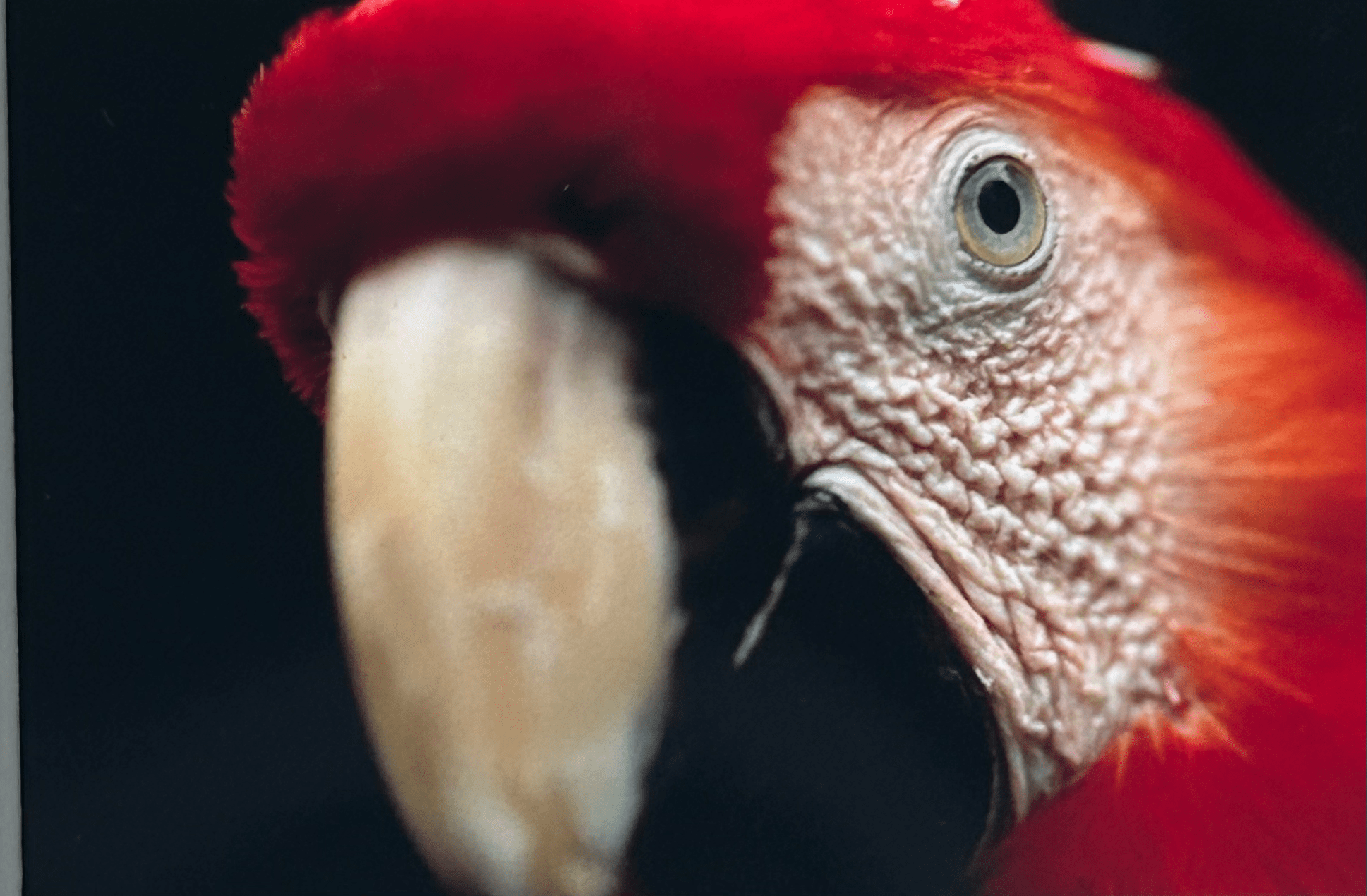
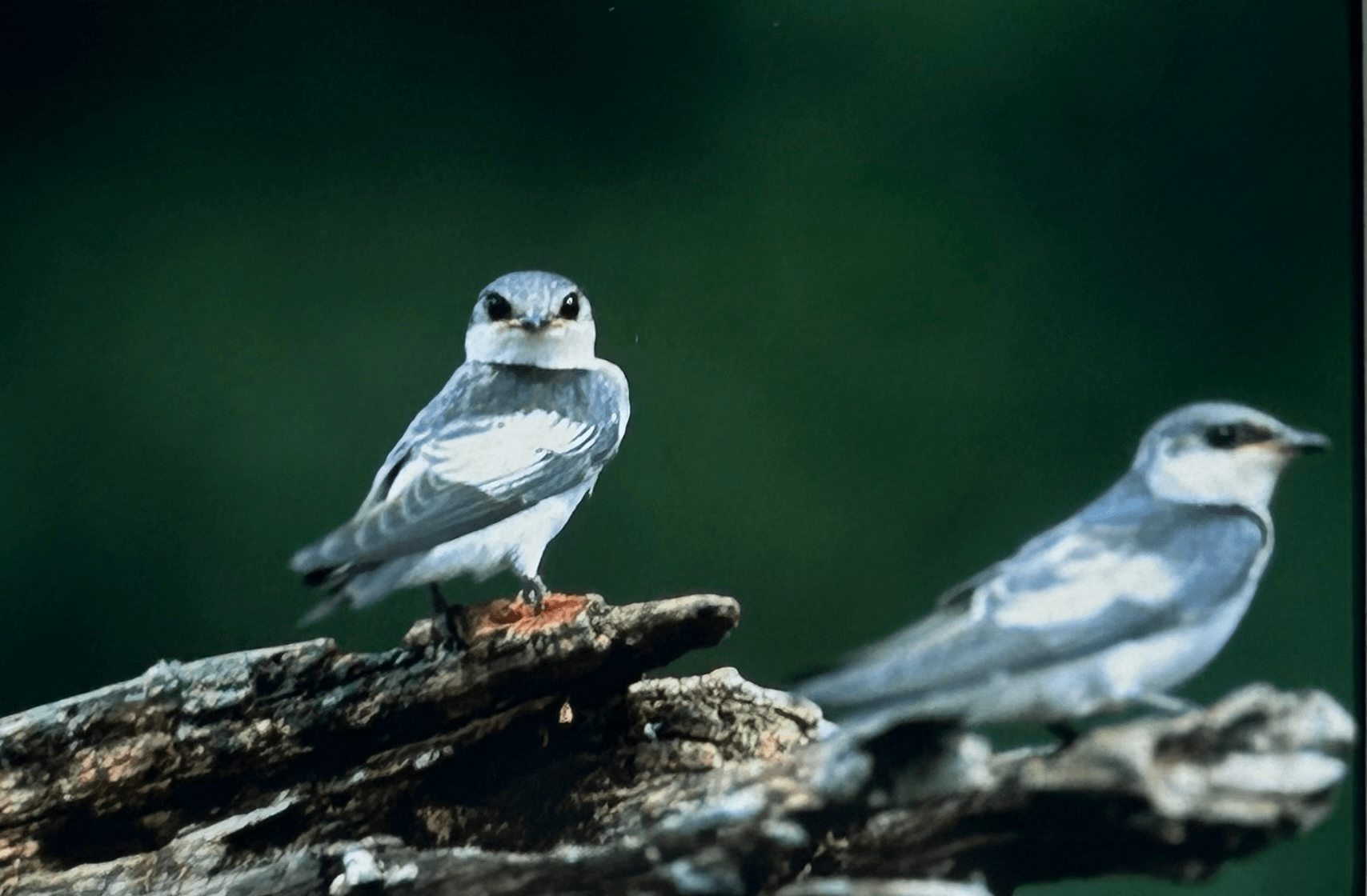
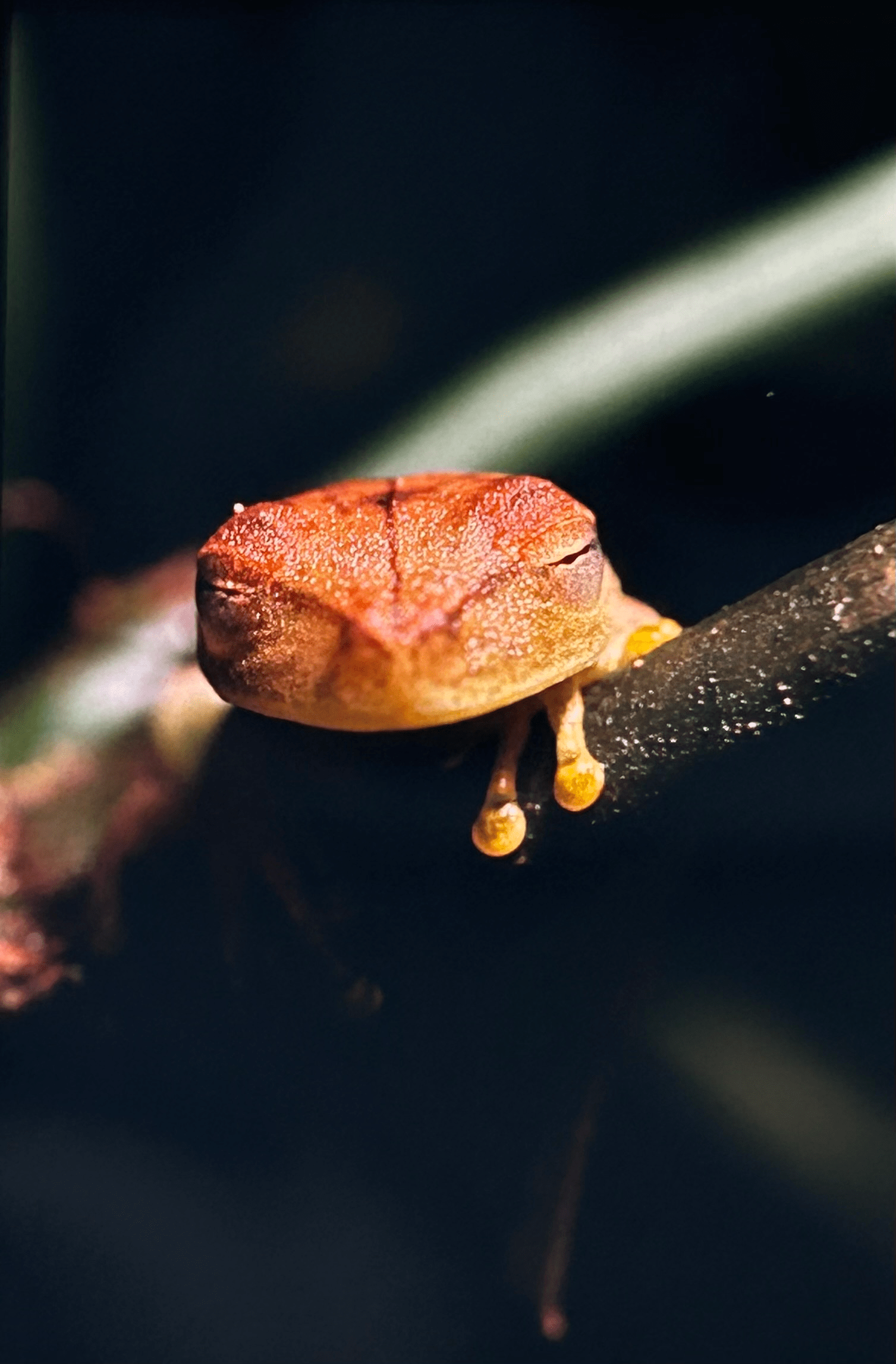
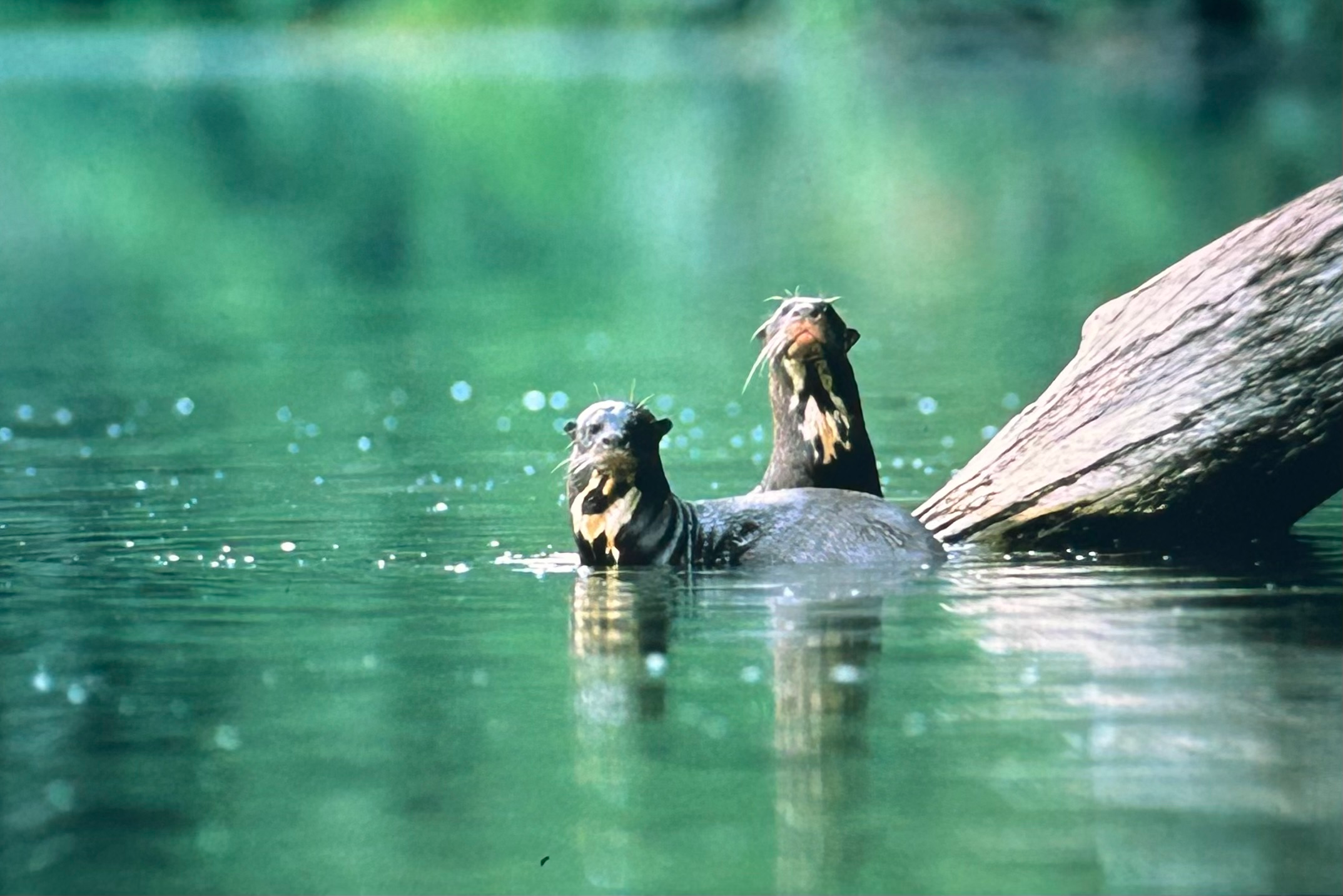
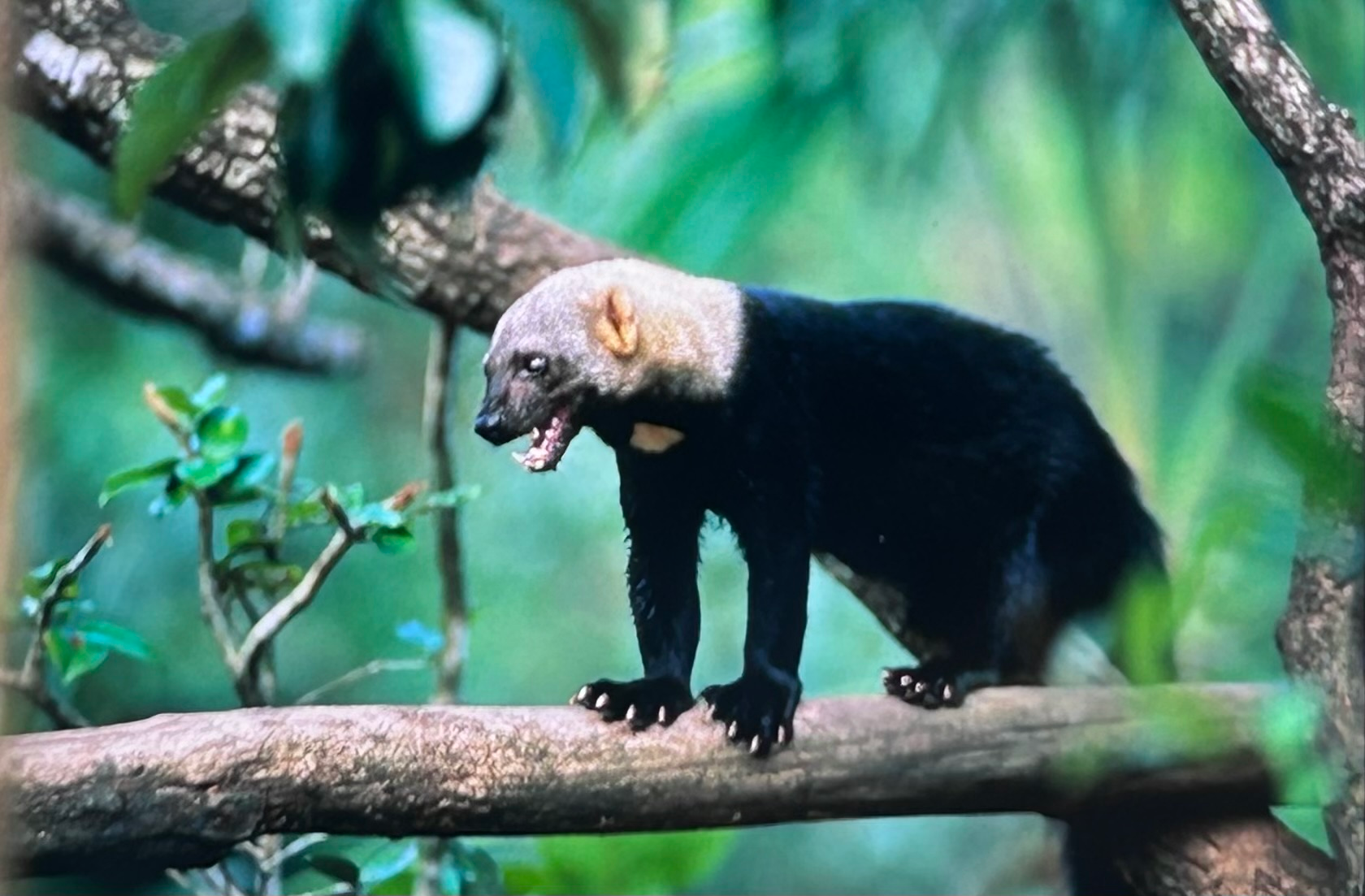
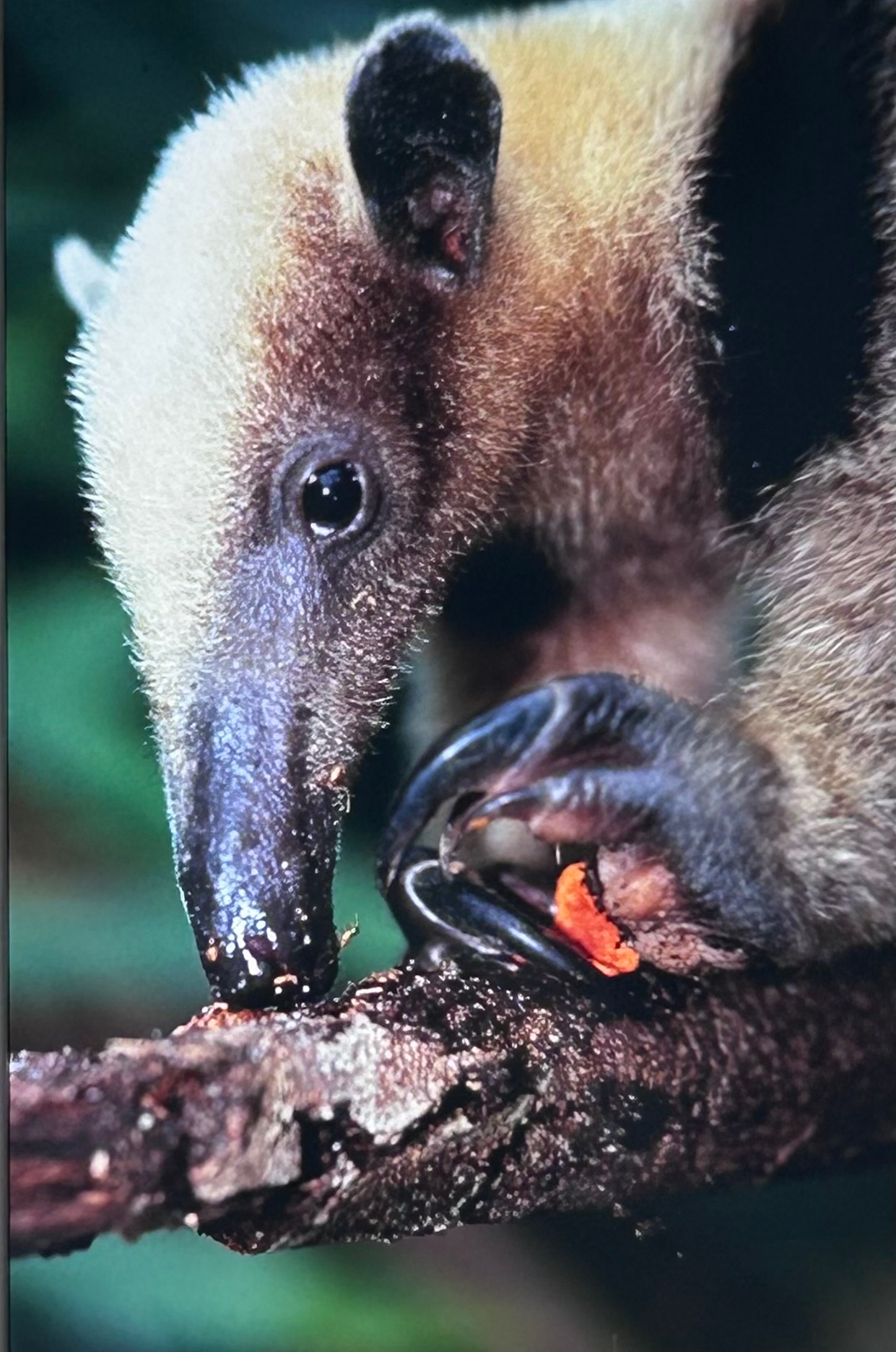
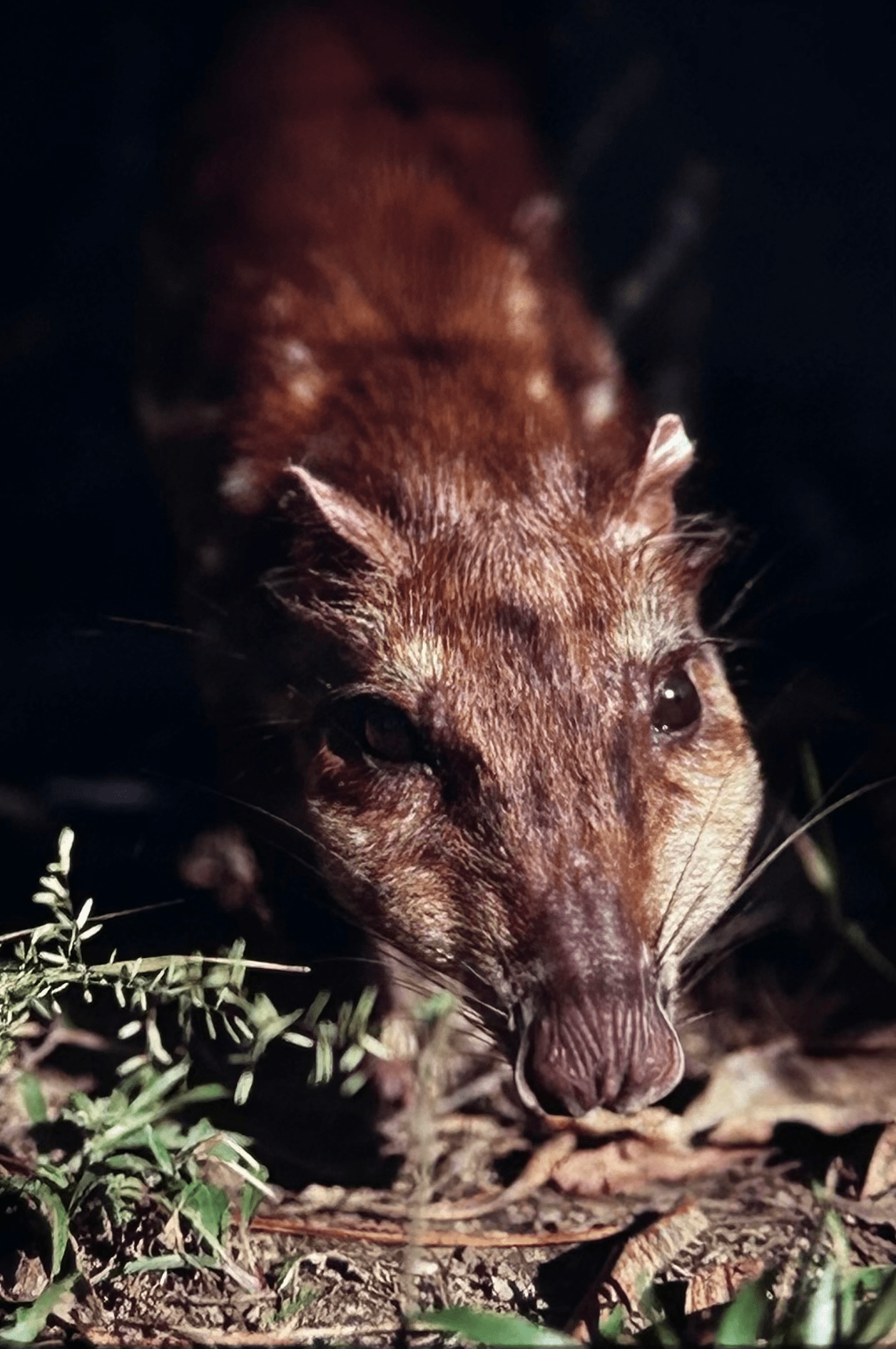
The Peruvian Amazon was a launching pad for what is now a well-known TV show called”Wild Kratts”. Martin, Chris, and I traveled to Manu National Park to create a pilot to be presented at the International Wildlife Film Festival.  The photographs below were taken in 1992 around Cocha Cashu Research Station that is run by Duke University. Each photo took many hours of preparation and make-shift blinds. I used Fujichrome 50 film that was either pushed or pulled with a Nikon F4 Camera and mostly a 400mm lens with a doubler (for those that enjoy the technical side of photography). I was able to follow a group of Giant River Otters around for weeks. The photos of the river otters are really special and rare. In the book, “Kiss the Butterfly” I go into a lot of detail on how we achieved some of these remarkable photographs and film footage. 

AFRICA

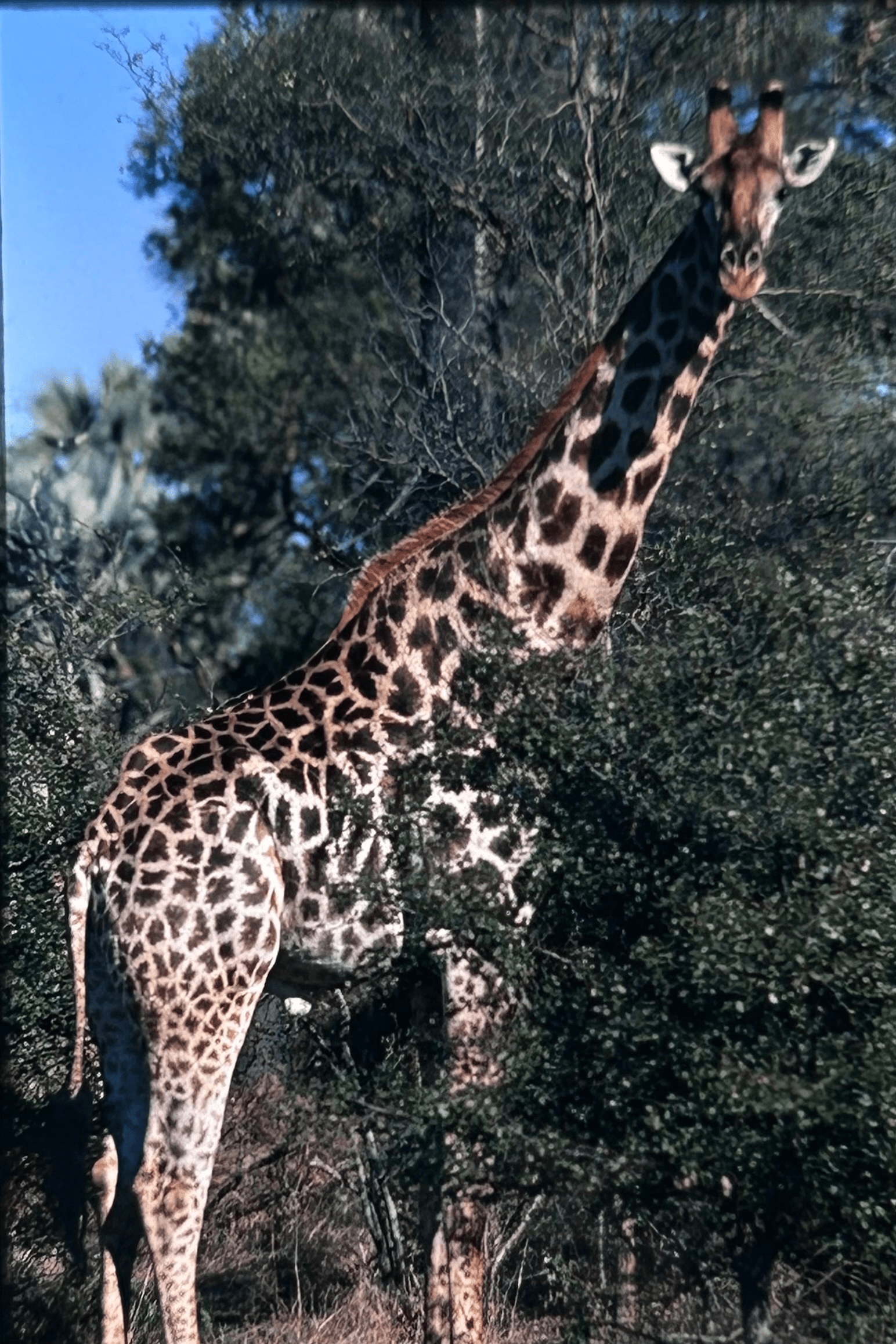
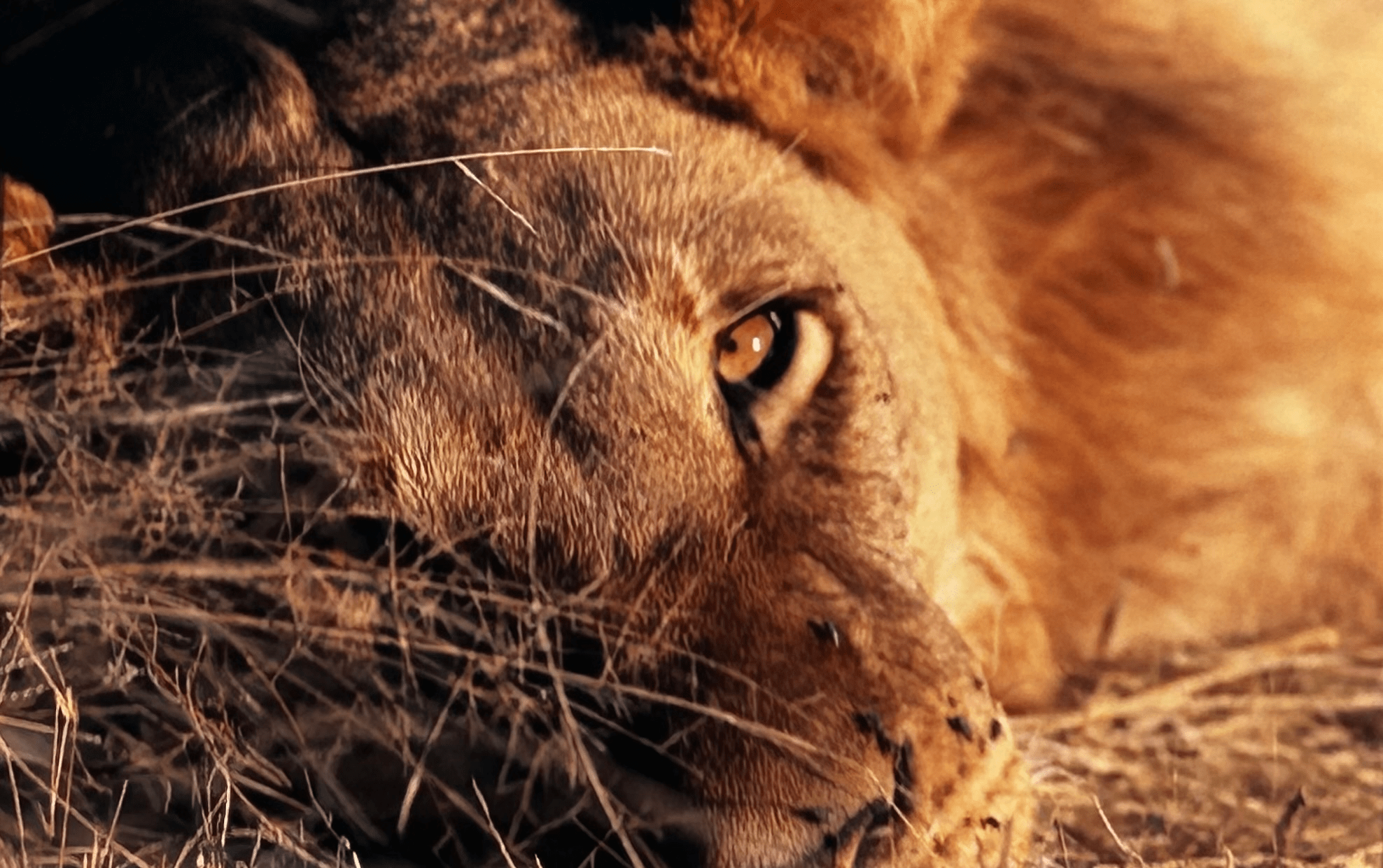
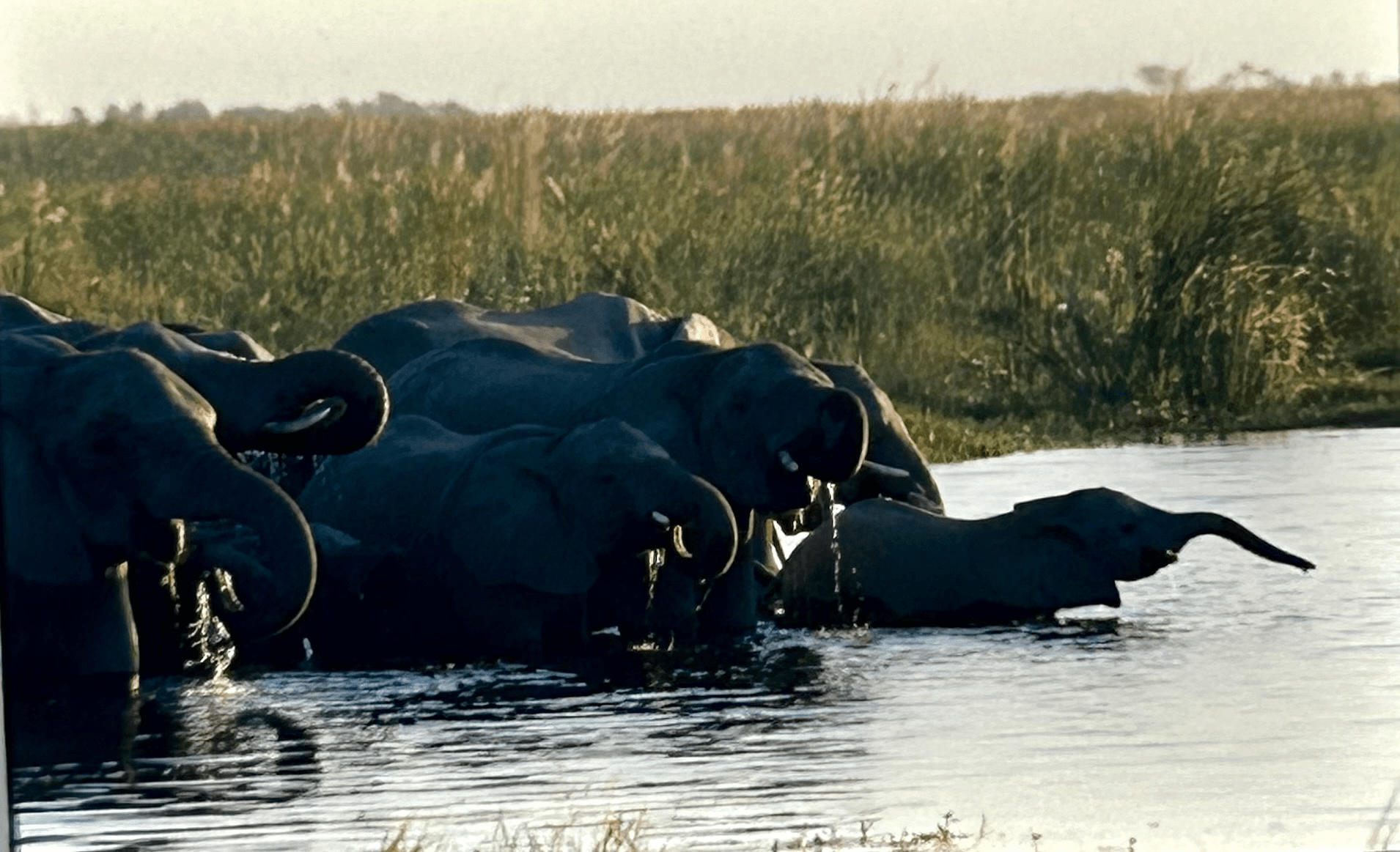
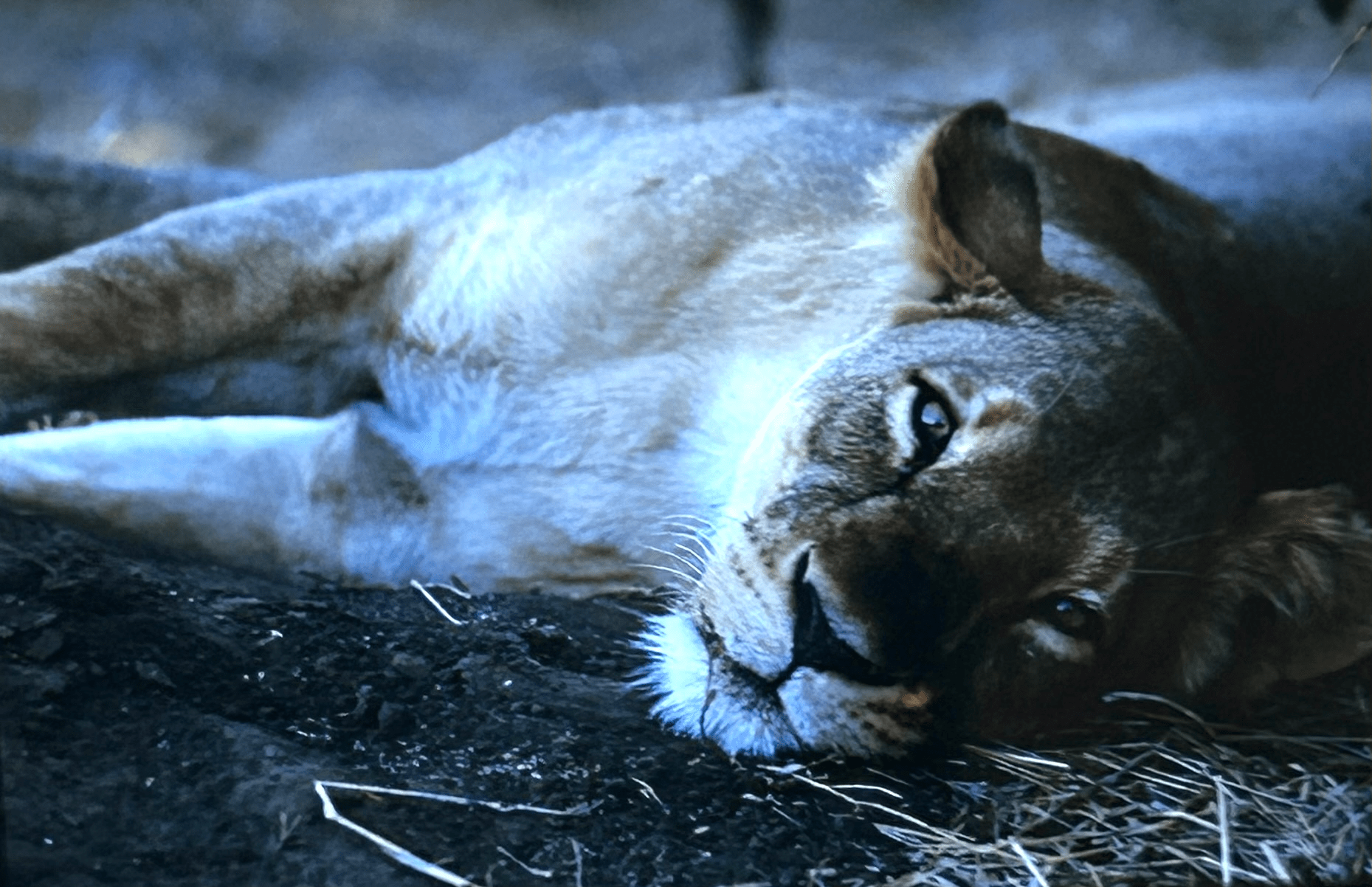
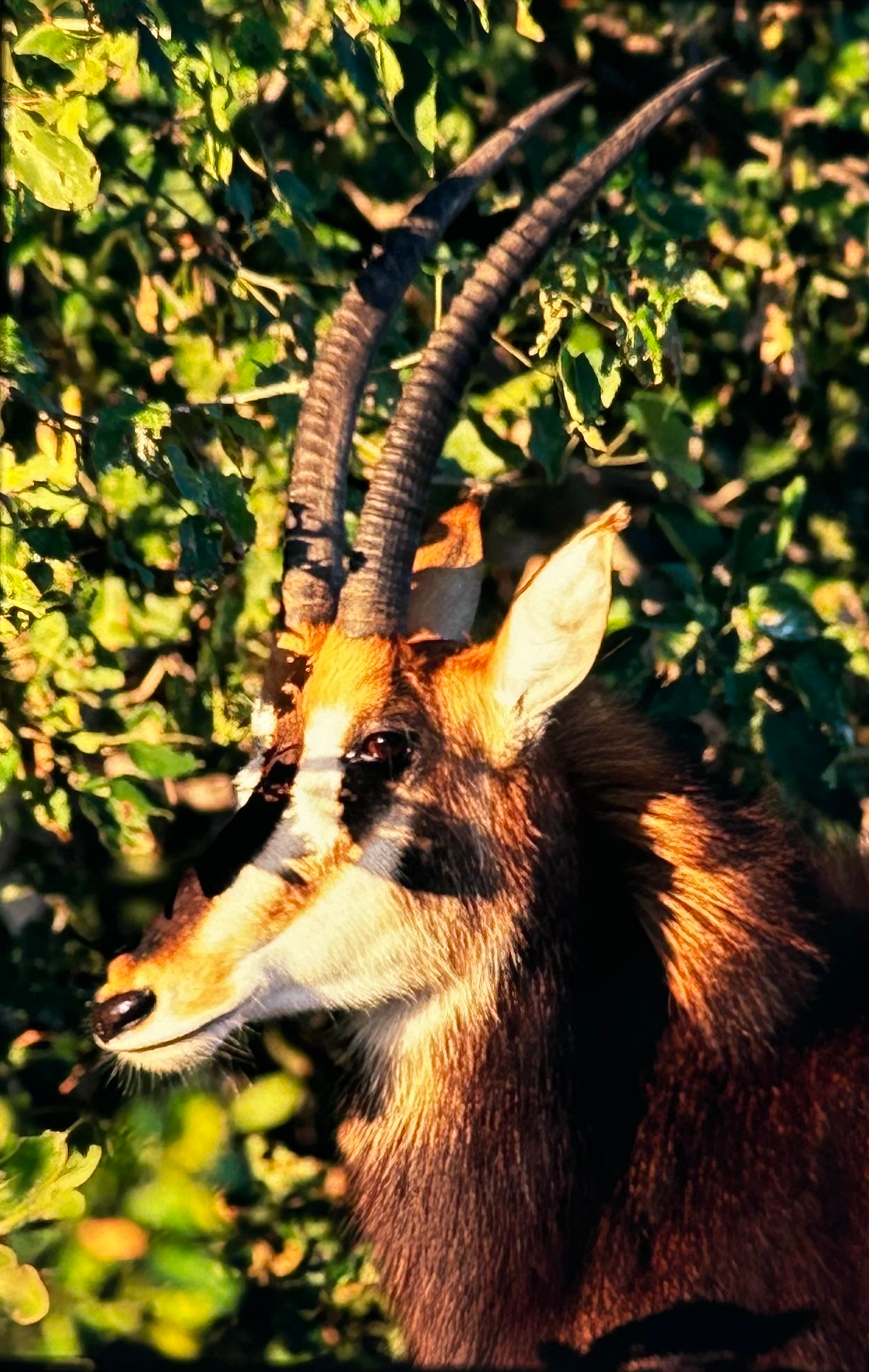
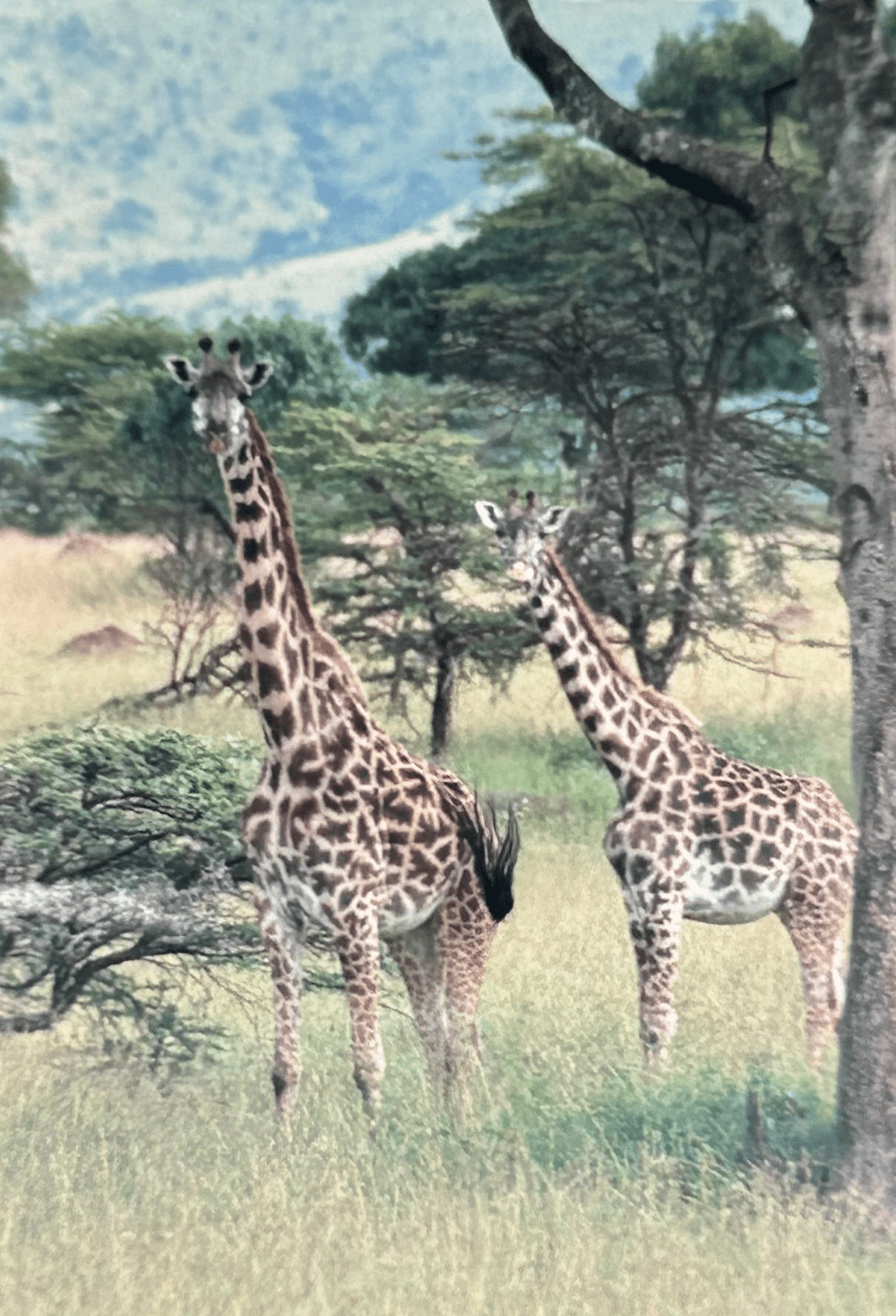
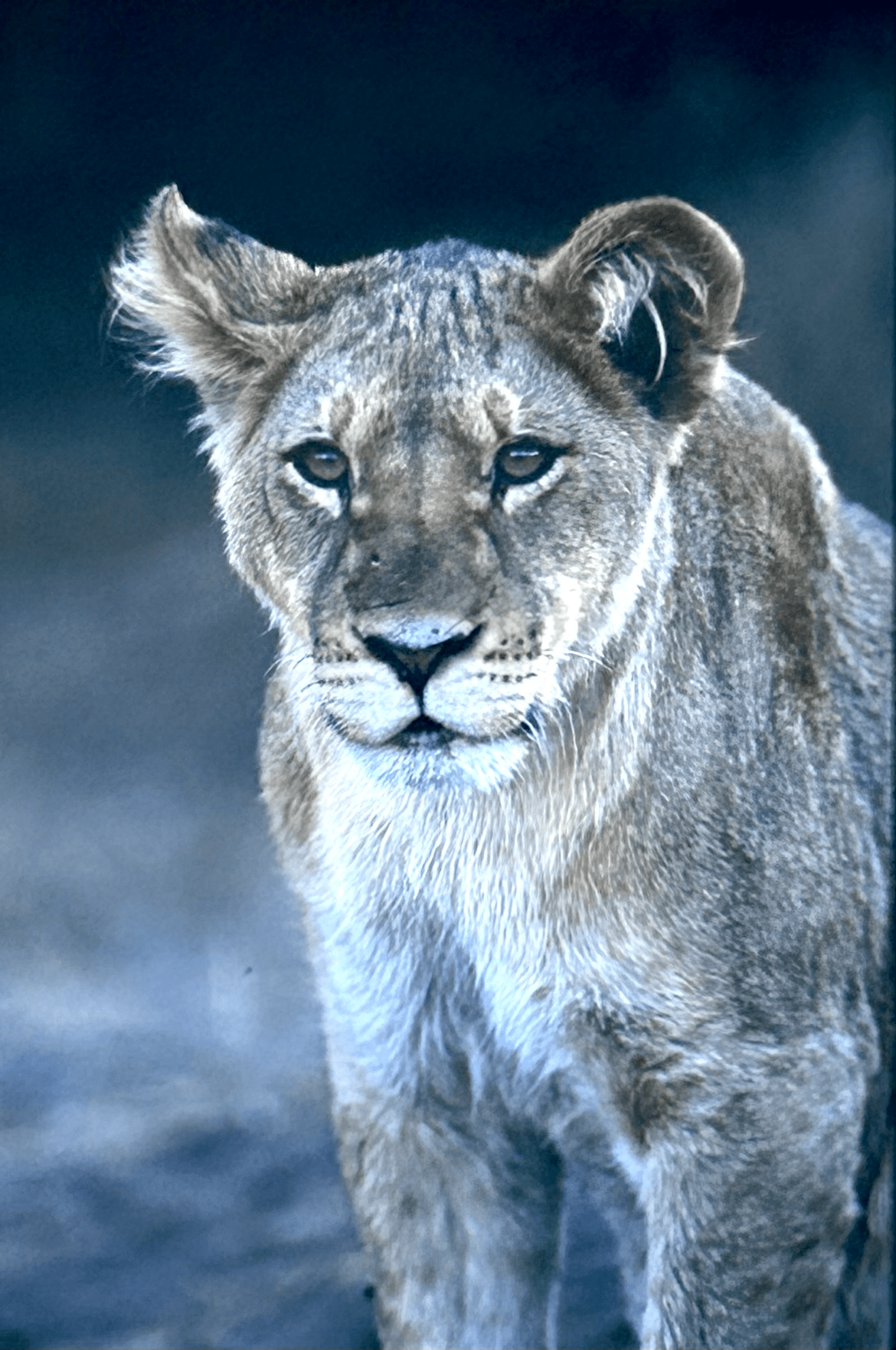
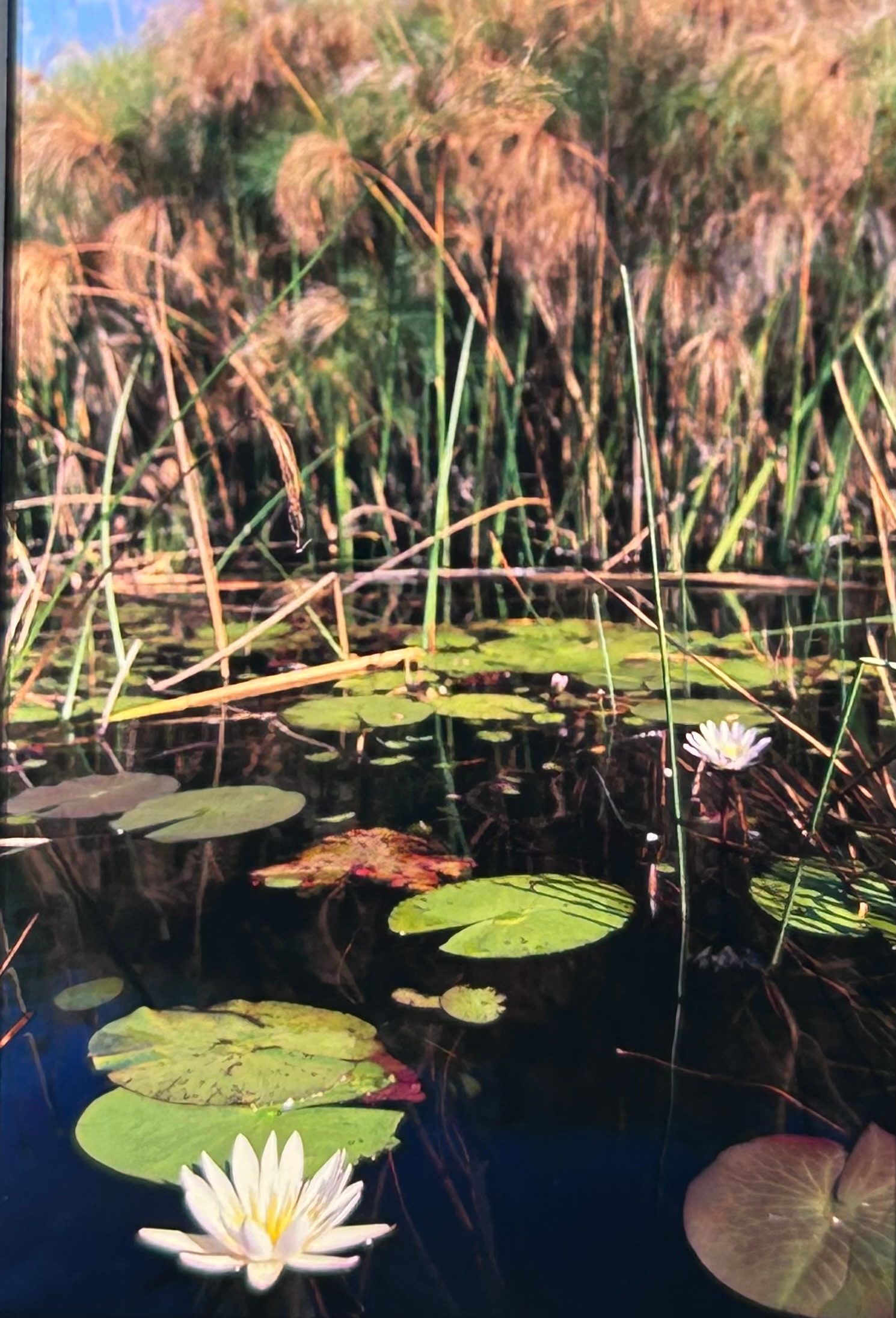
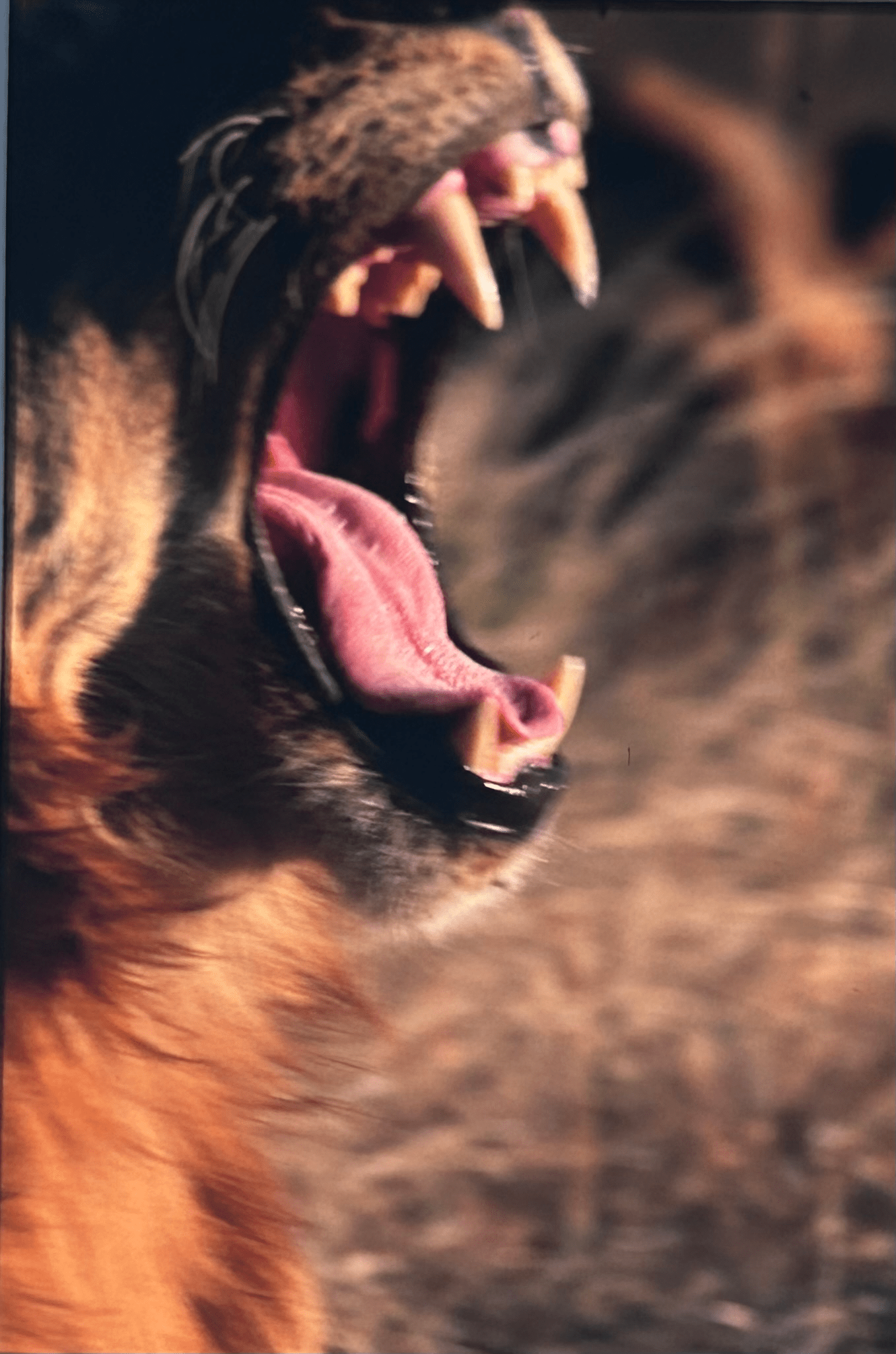
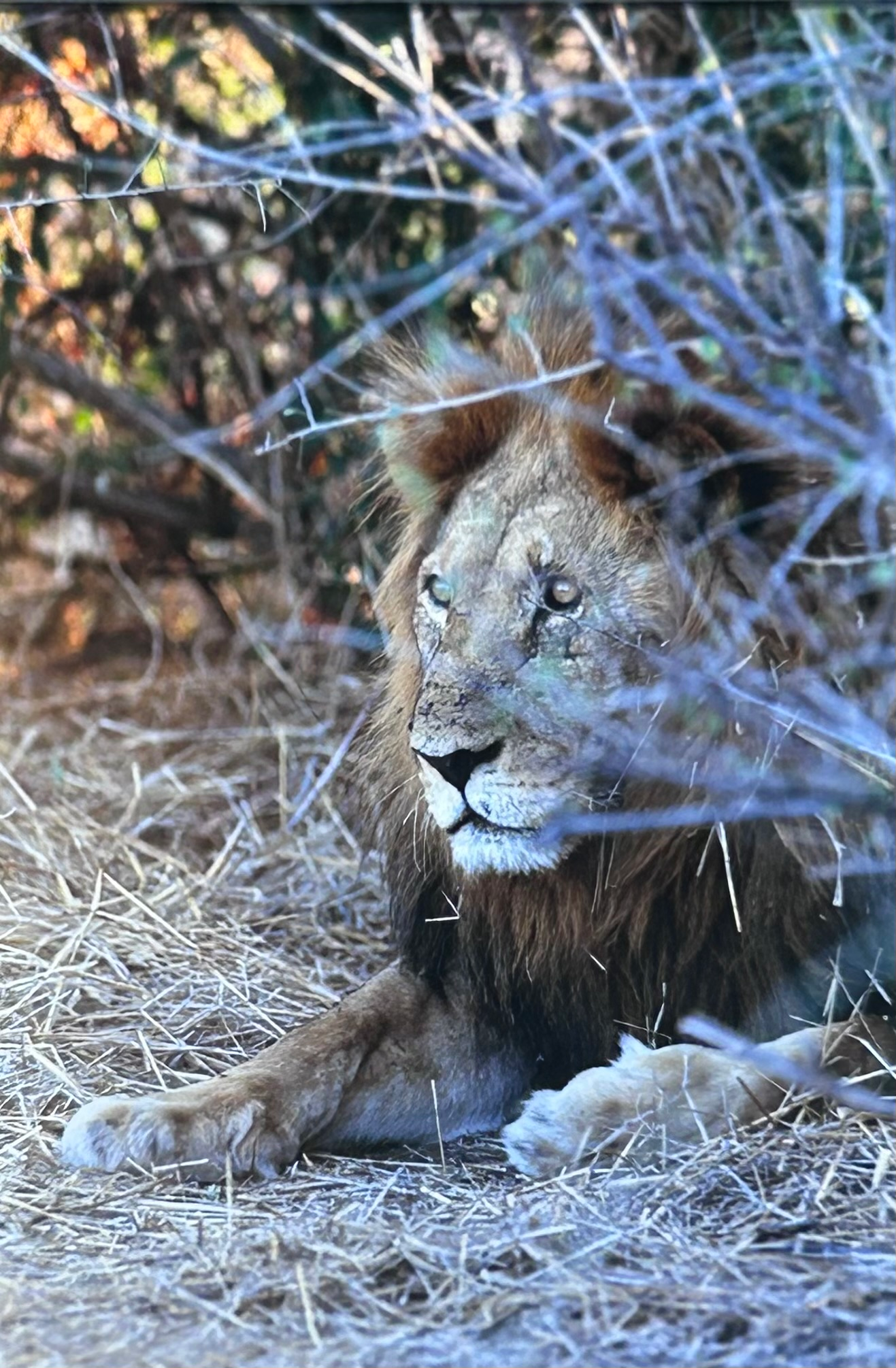
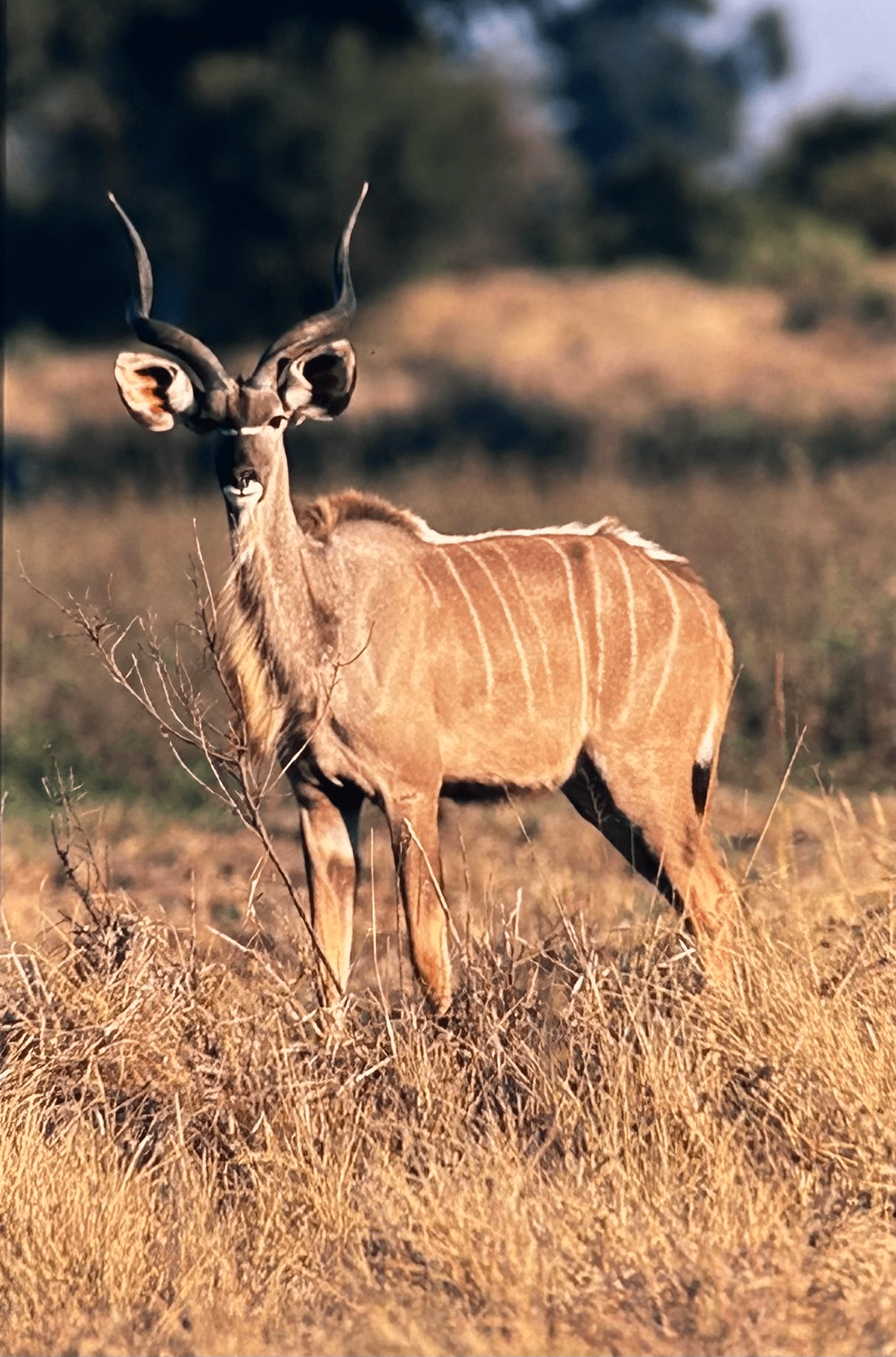
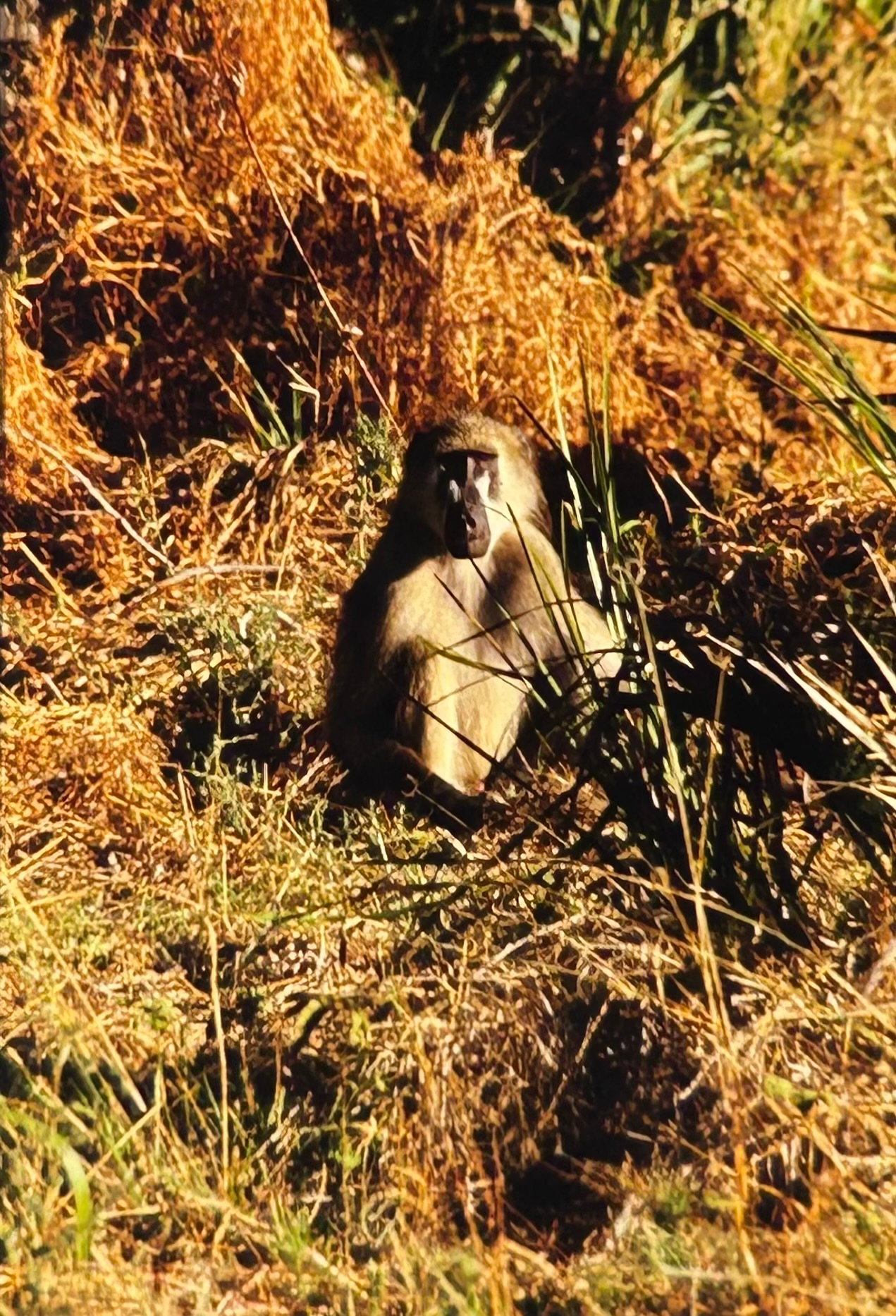
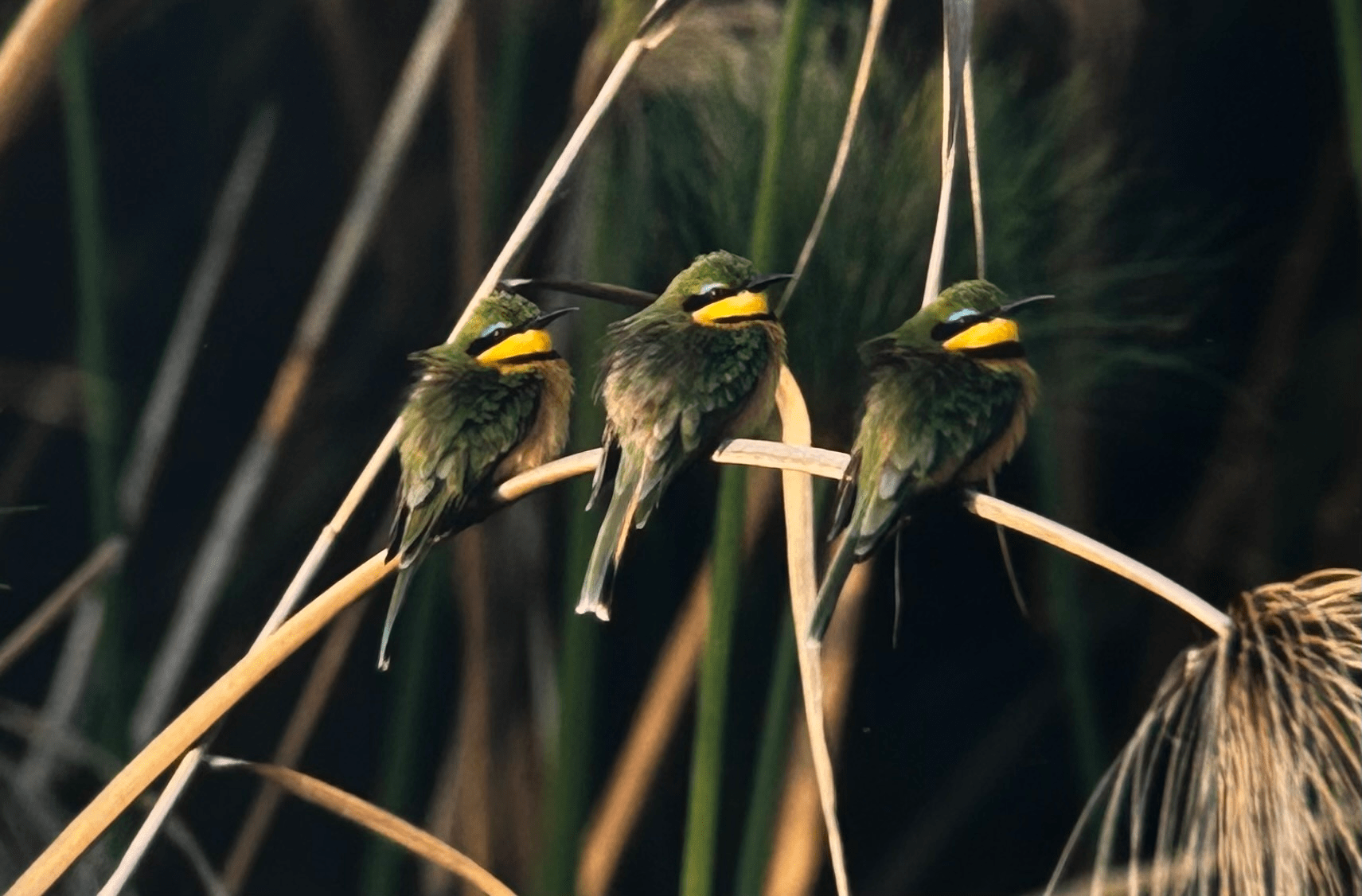
The compilation of photos from Africa range from the Maasai Mara National Reserve, Serengeti National Park, and The Okavango Delta. Africa is raw, wild, and intoxicating. We had terrific naturalists as guides. Each morning we would set out on range rovers and scope the areas for wildlife doing their thing! All photos were either taken during the early mornings or late afternoons. 


Africa is a spiritual land. There is a woven fabric of balance in its people and nature. I was profoundly influenced by this balance. 

AUSTRALIA

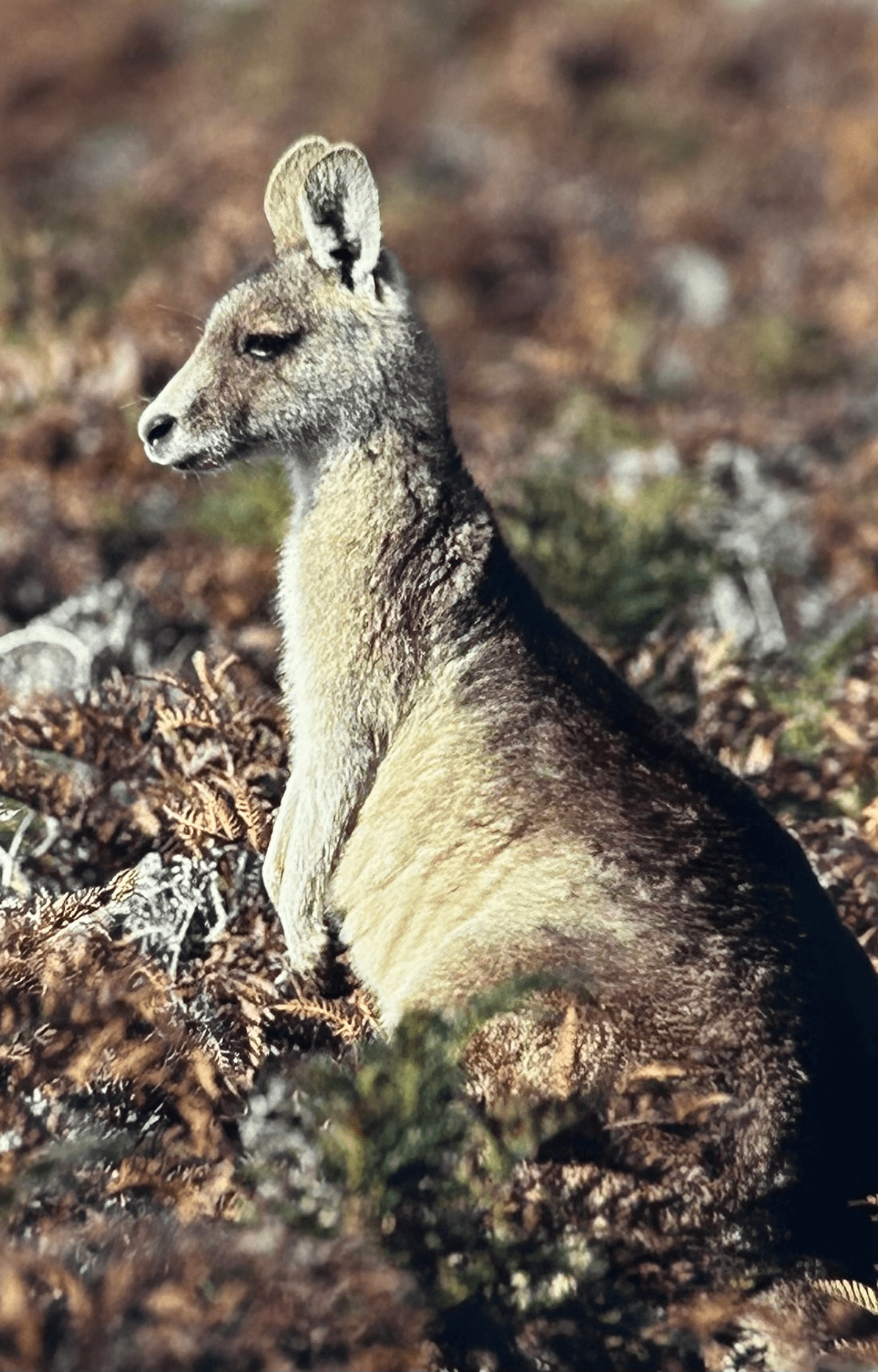
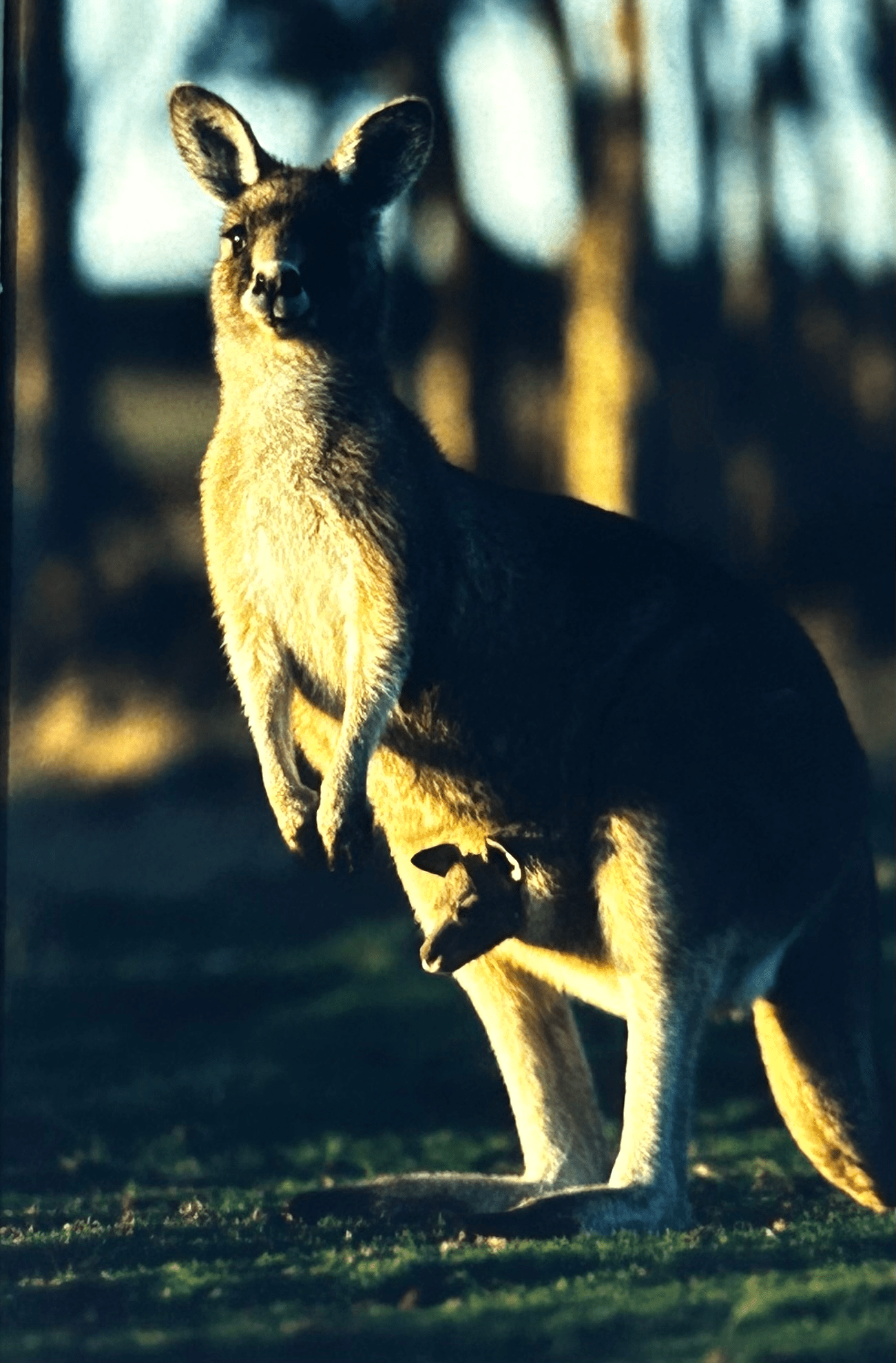
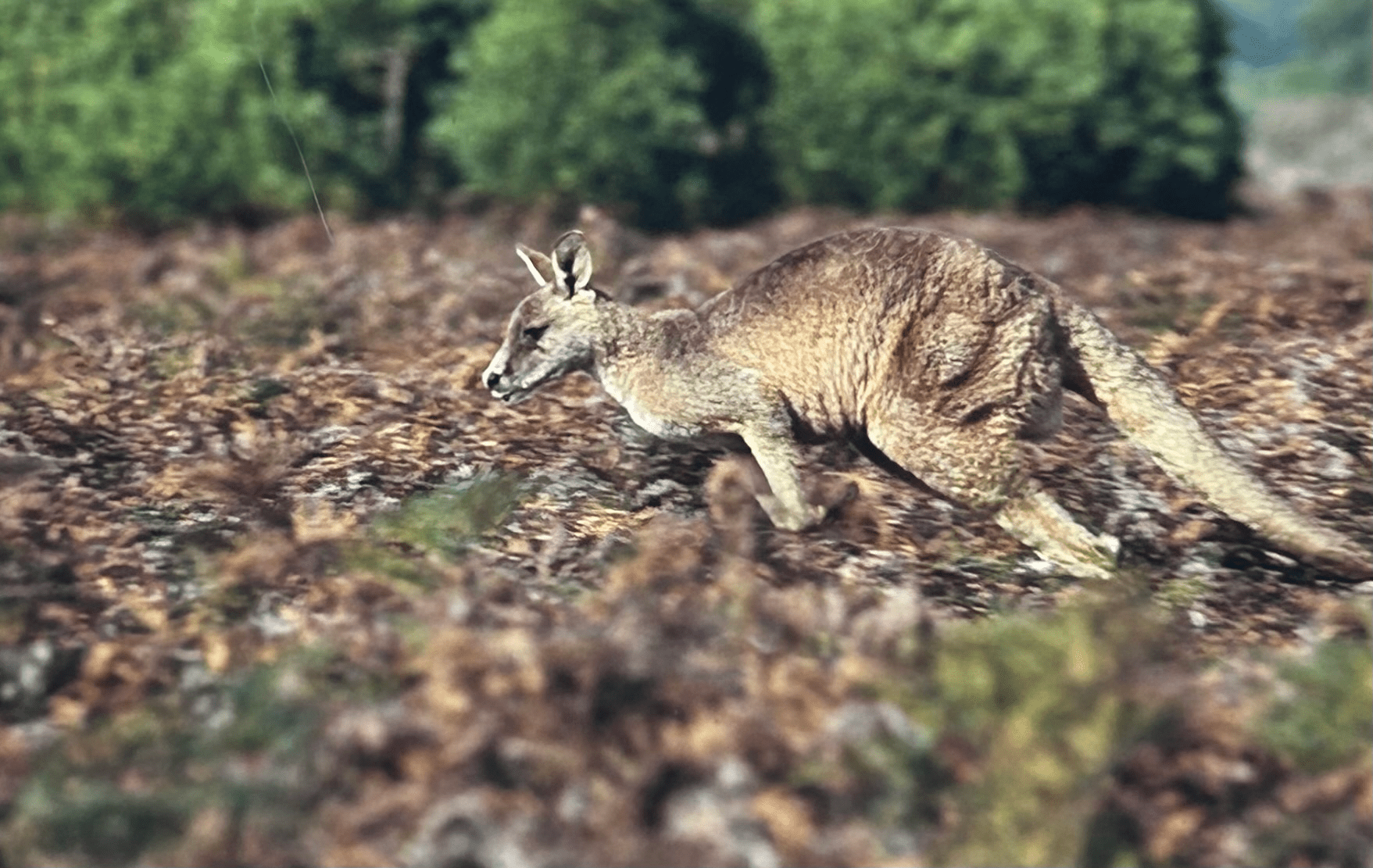
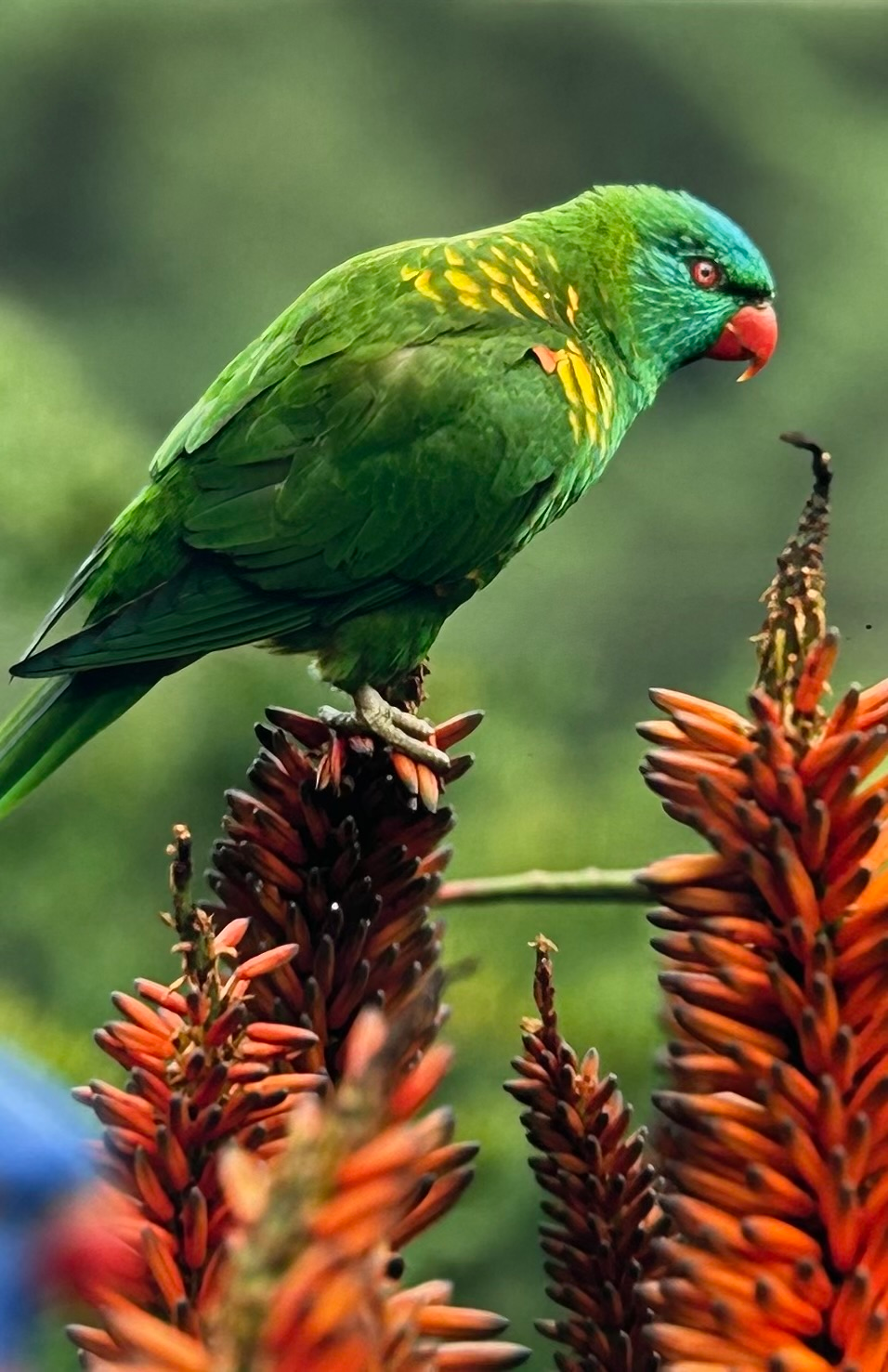
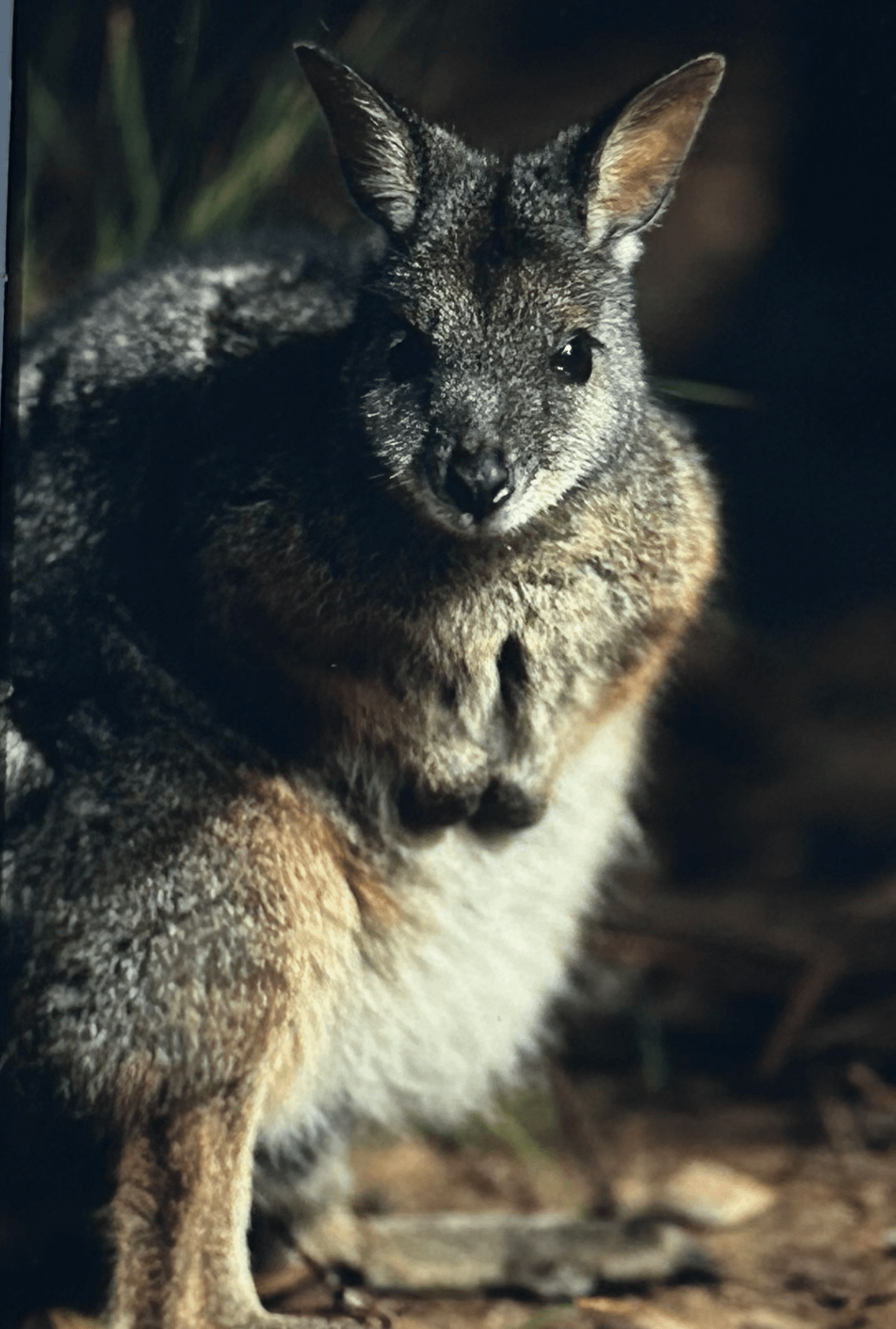
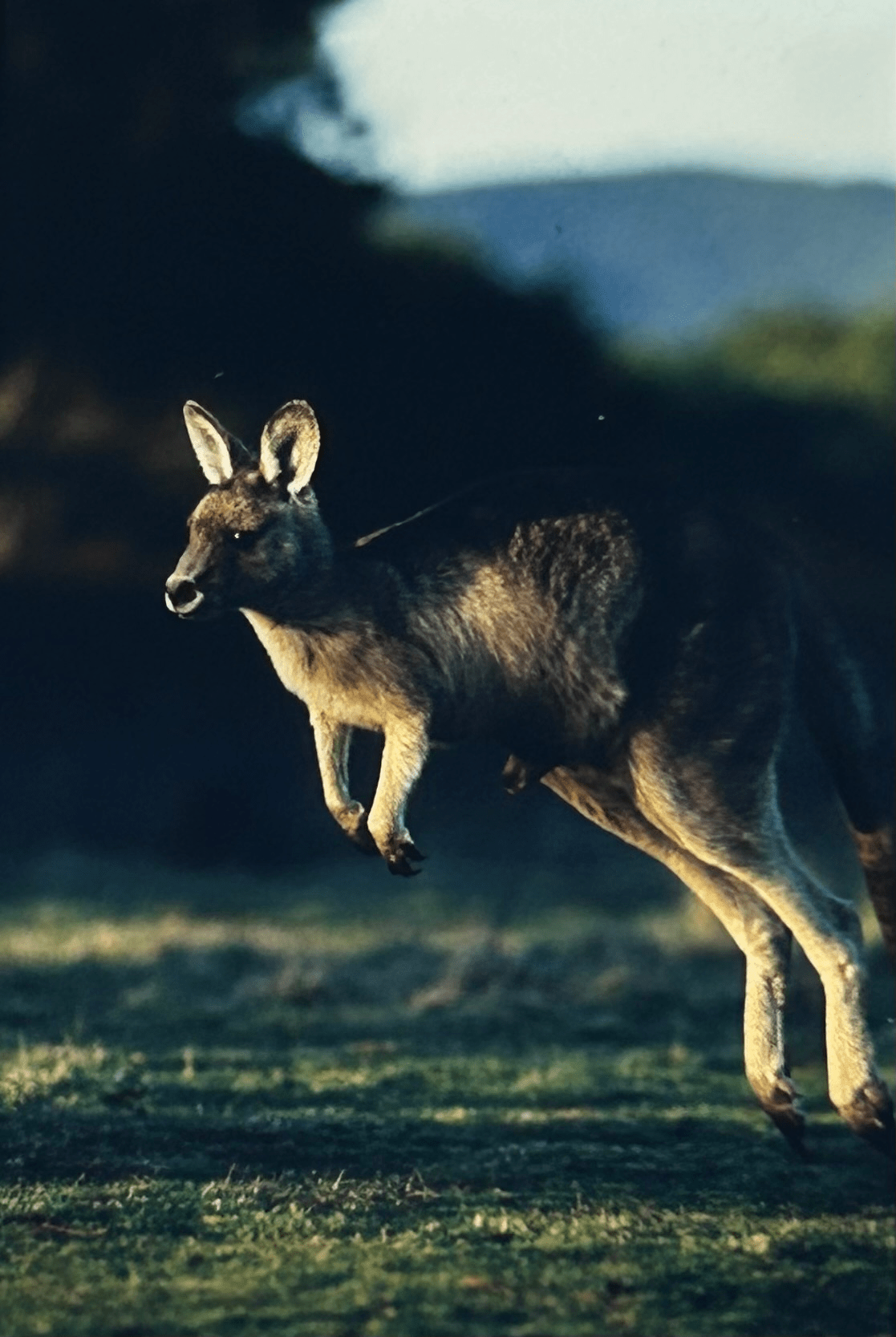
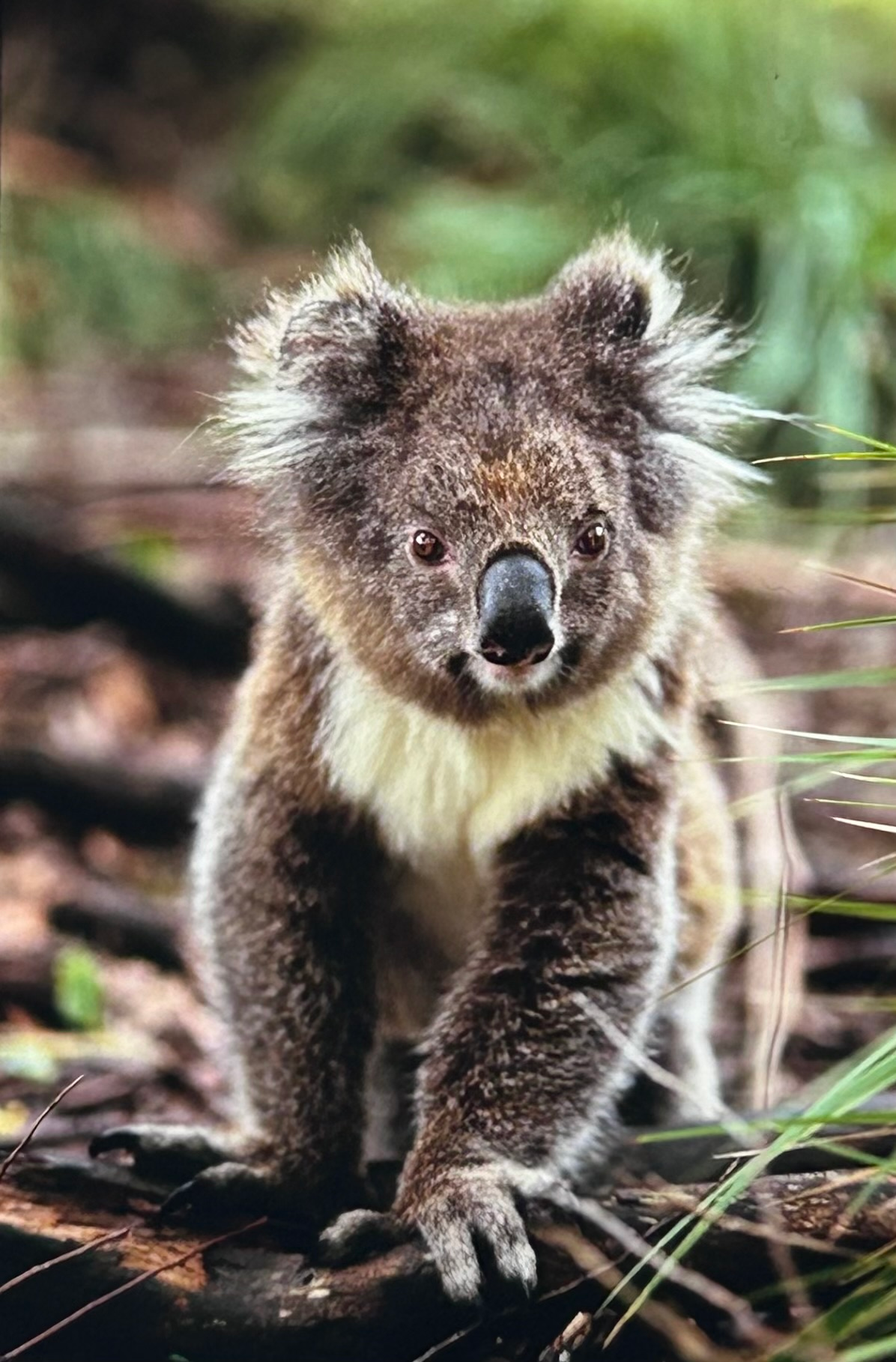
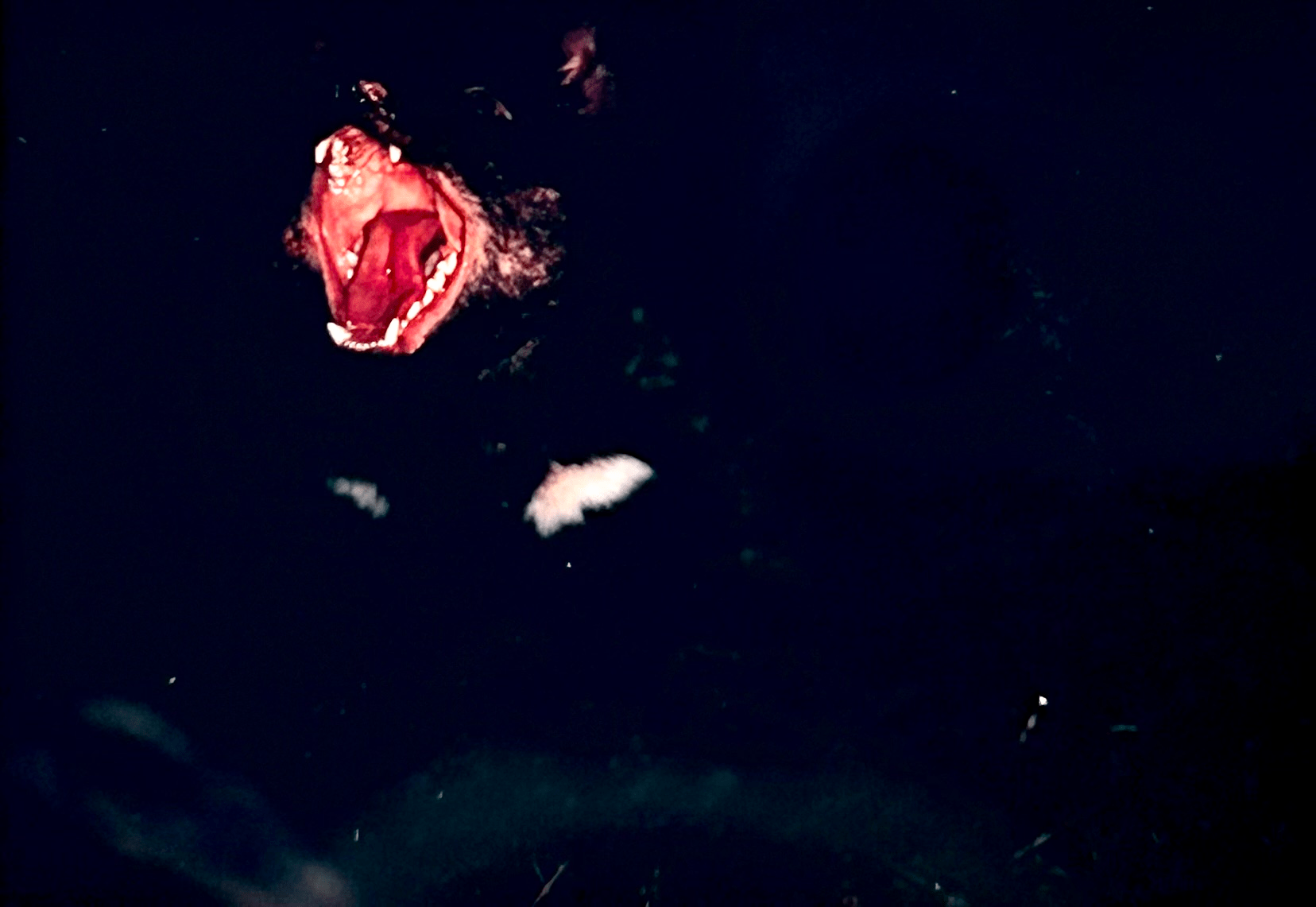
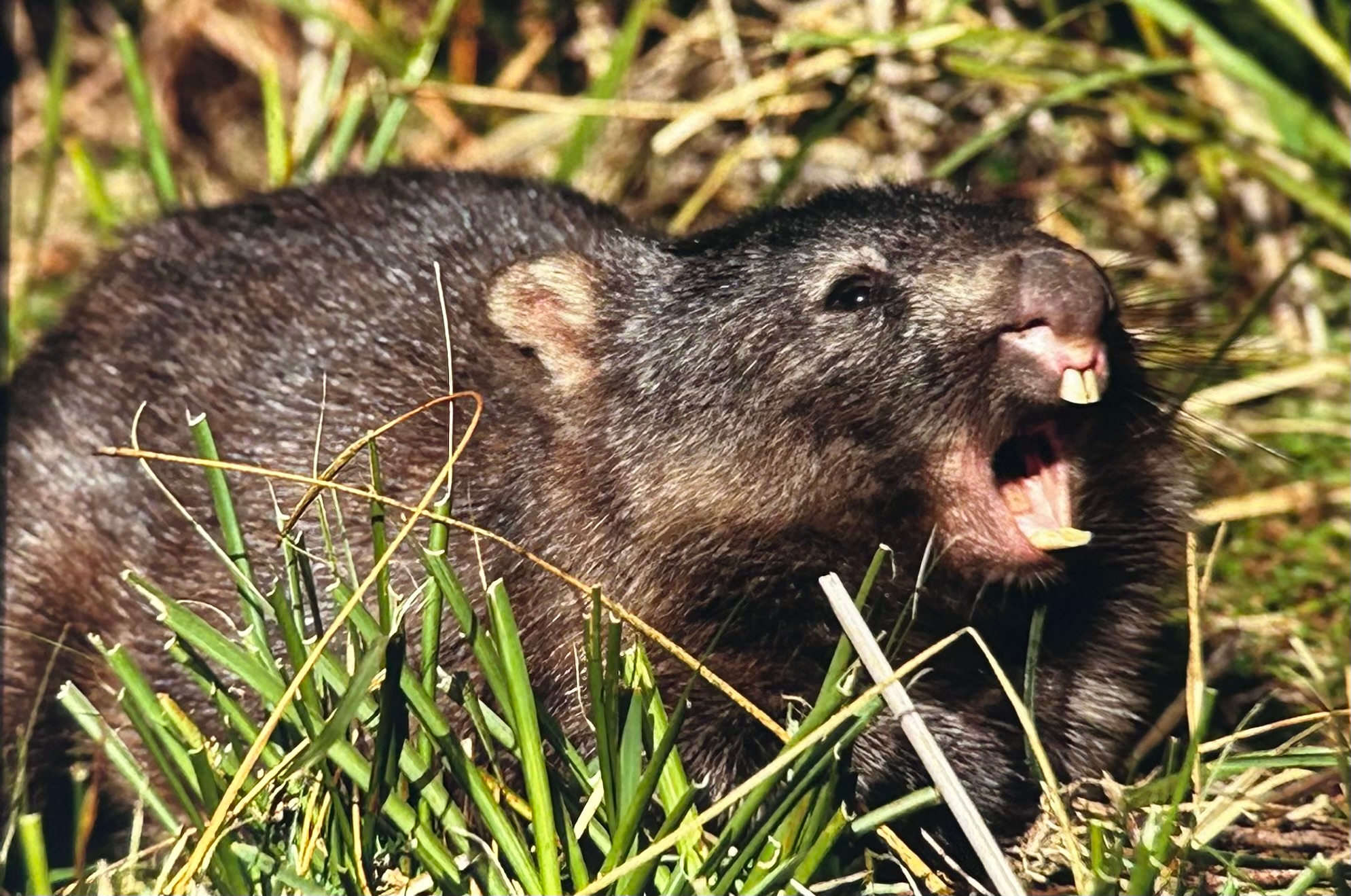
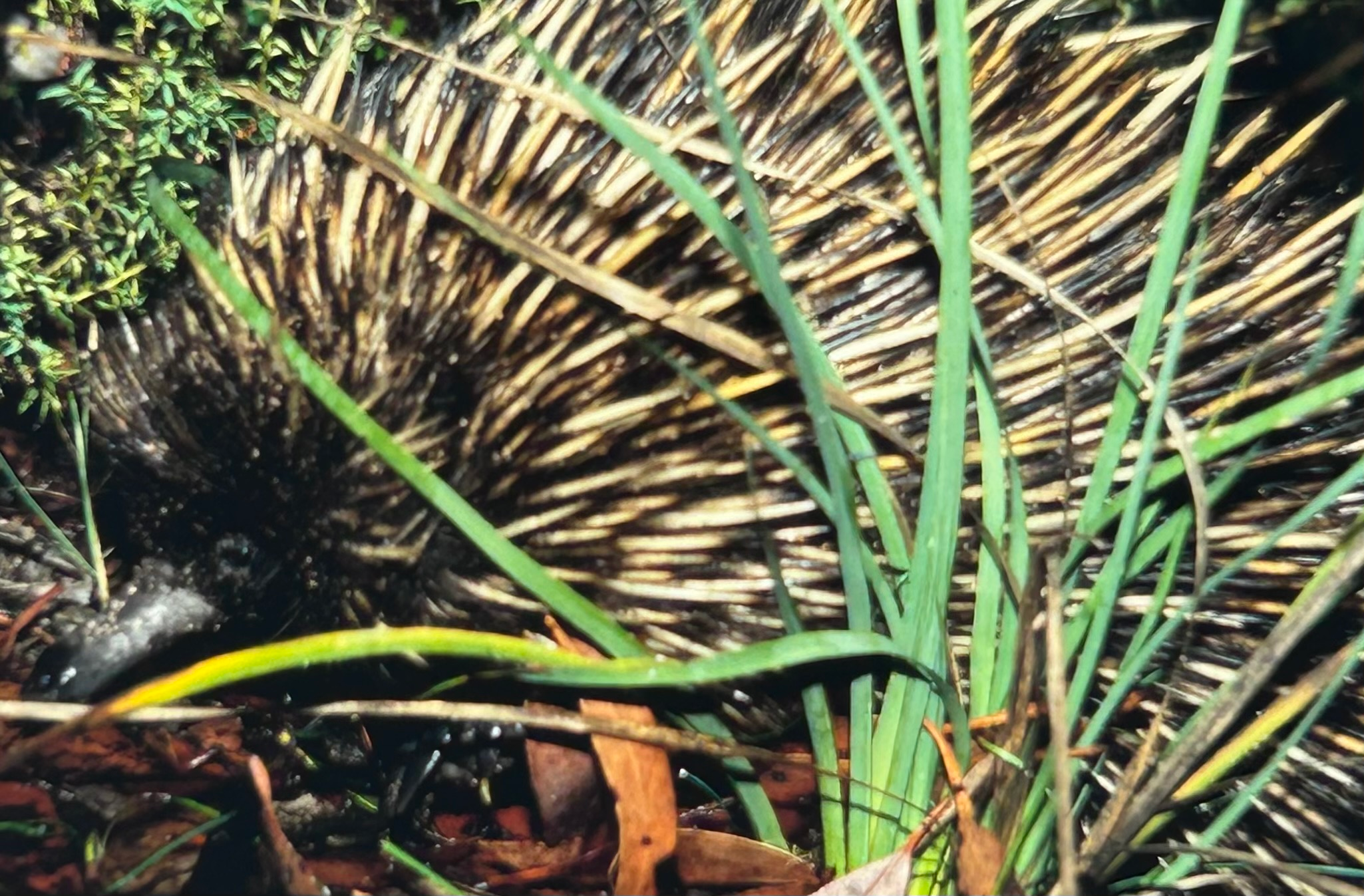
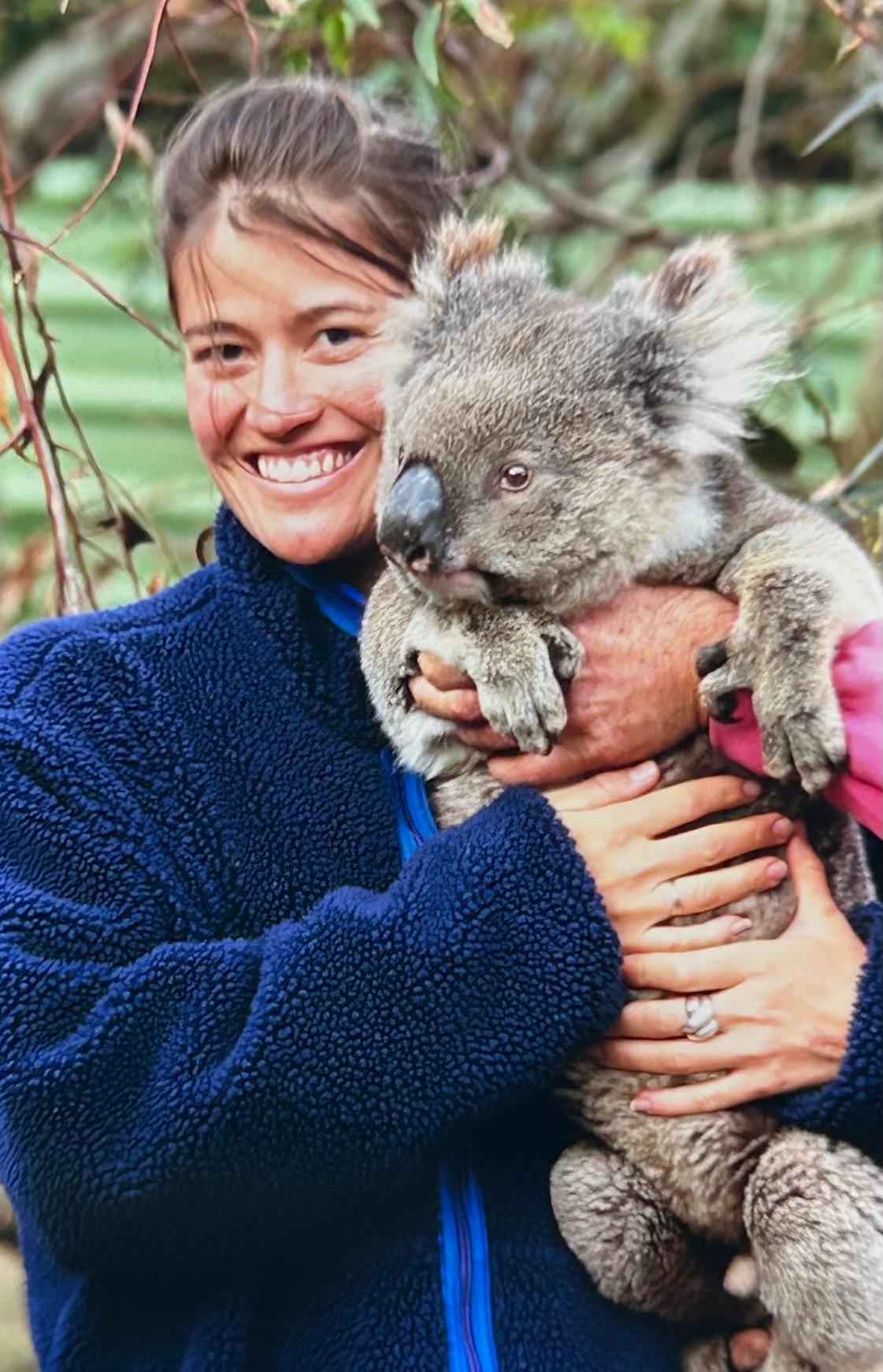
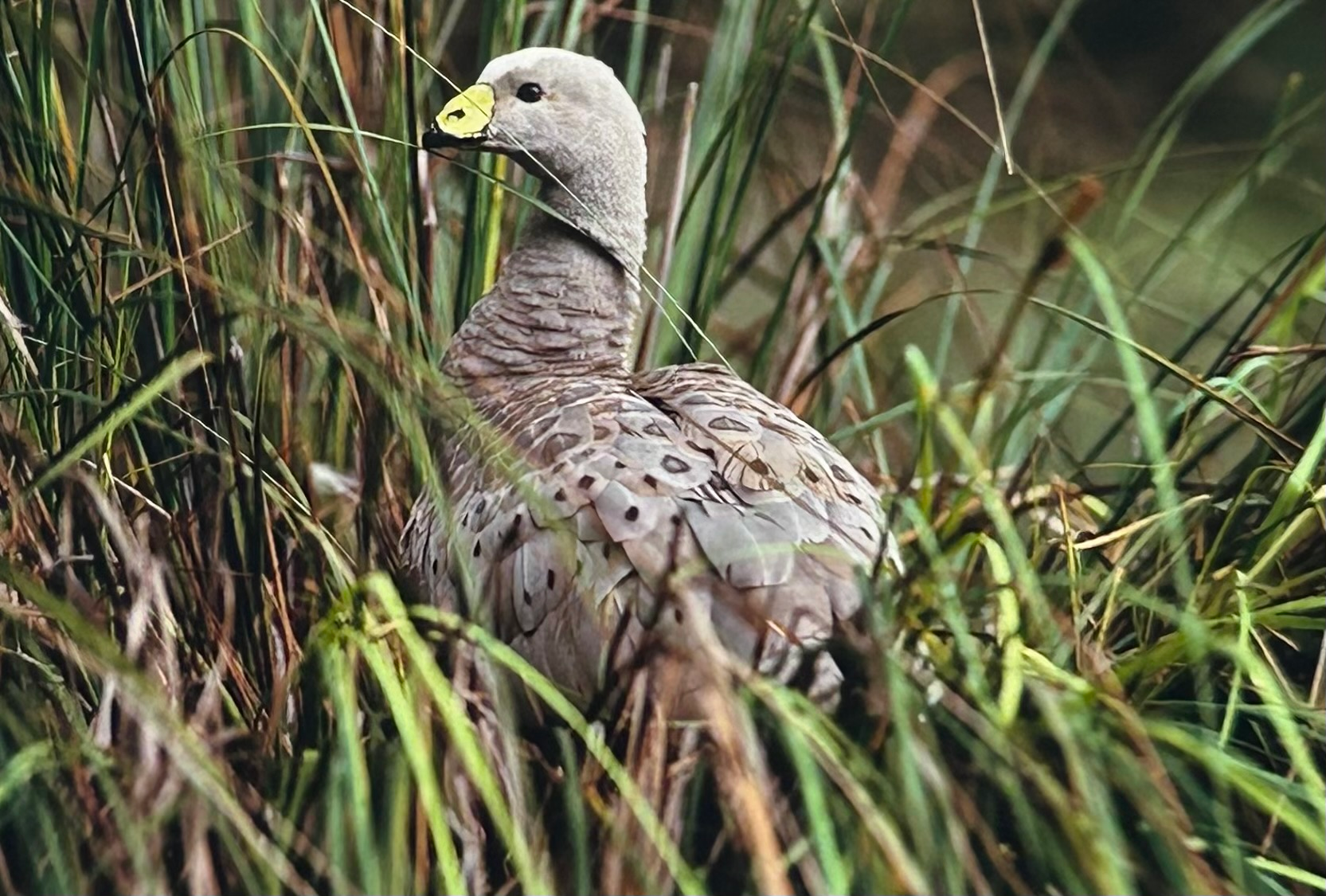
Australia was wild and untamed, and I dove straight into its beating heart—Kangaroo Island and the remote wilderness of Tasmania. It was 1993, and the journey felt like stepping into another world. From the moment we arrived, the warmth of the people struck me. Australians didn’t just open their doors; they opened their lives. Many were caring for orphaned joeys, injured kangaroos, and abandoned creatures of every kind, each story a testament to their fierce compassion for wildlife.


But the greatest challenge awaited us in Tasmania: filming the elusive Tasmanian devil. Shy, nocturnal, and cloaked in midnight fur, they were ghosts of the bush. To find them, we scoured dark roads, gathering roadkill to lure them into view. Imagine the eerie stillness of the night broken by rustling shadows, and guttural growls as each devil came to feast on the carcass. Filming was a battle against darkness itself.


Yet for every struggle, there was wonder. Kangaroos soared through eucalyptus forests like living springs. Koalas clung high in the trees, their jaws working slowly through a feast of leaves. Australia wasn’t just a place—it was raw, unpredictable beauty. And I will never forget it.

NORTH AMERICA

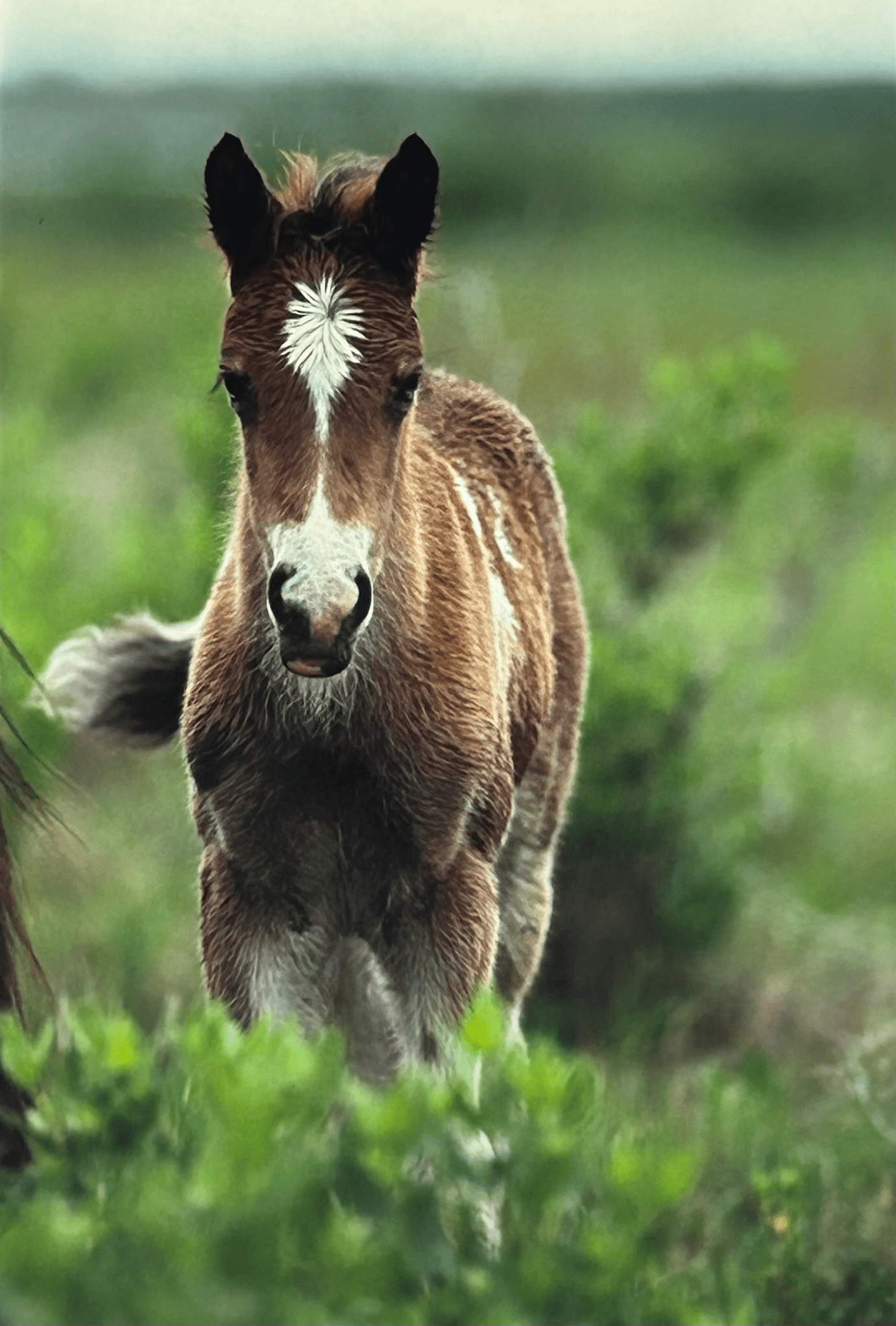
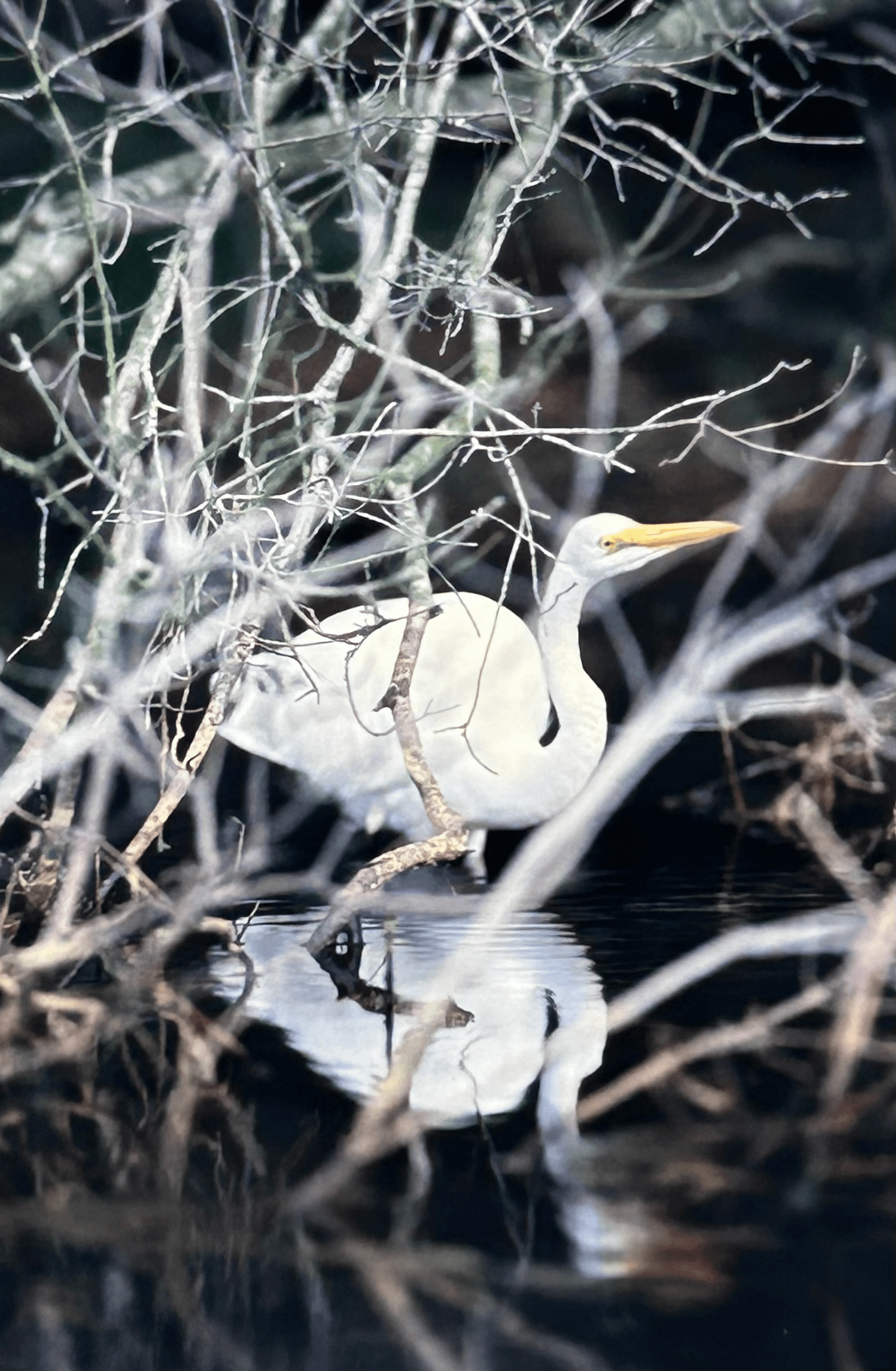
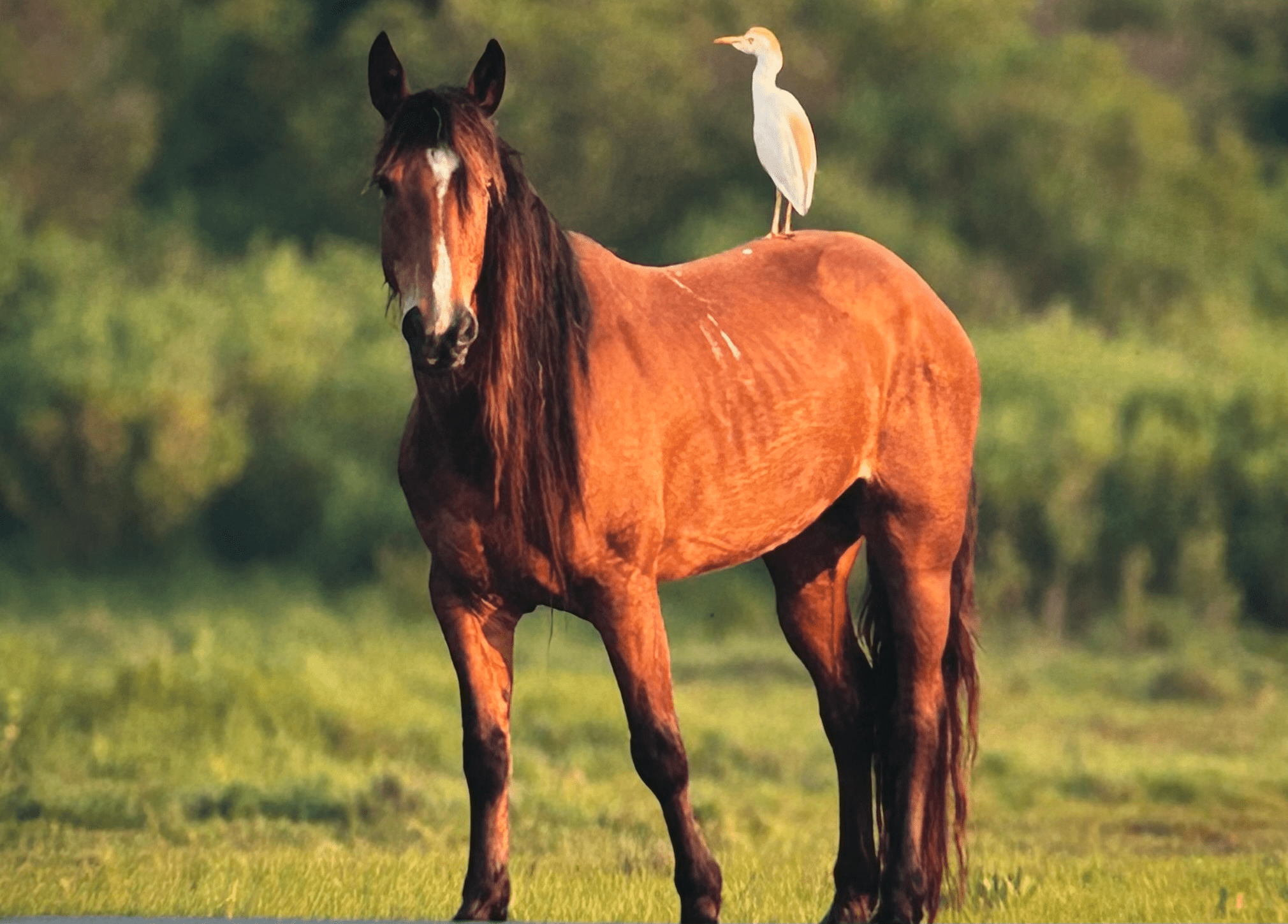
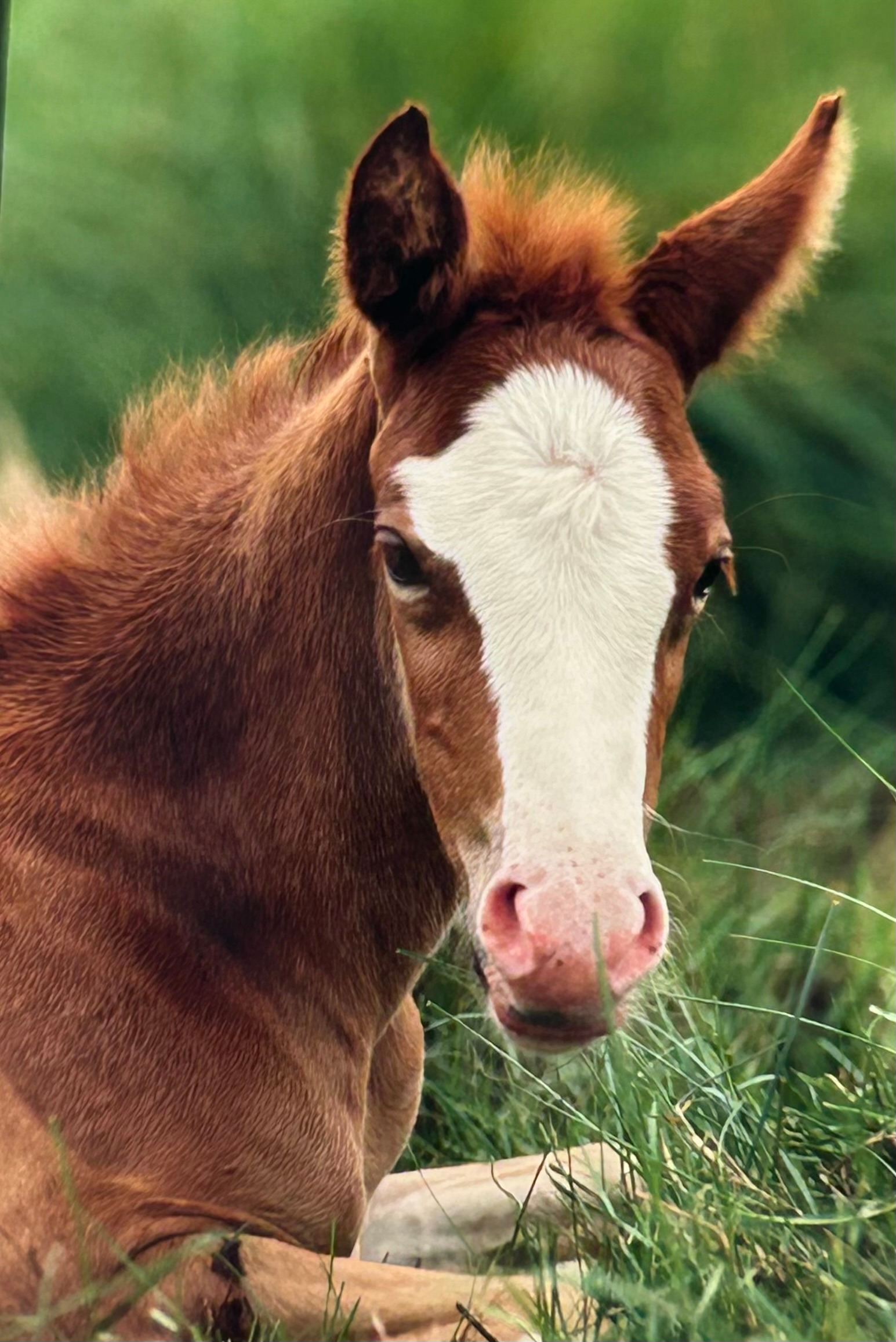
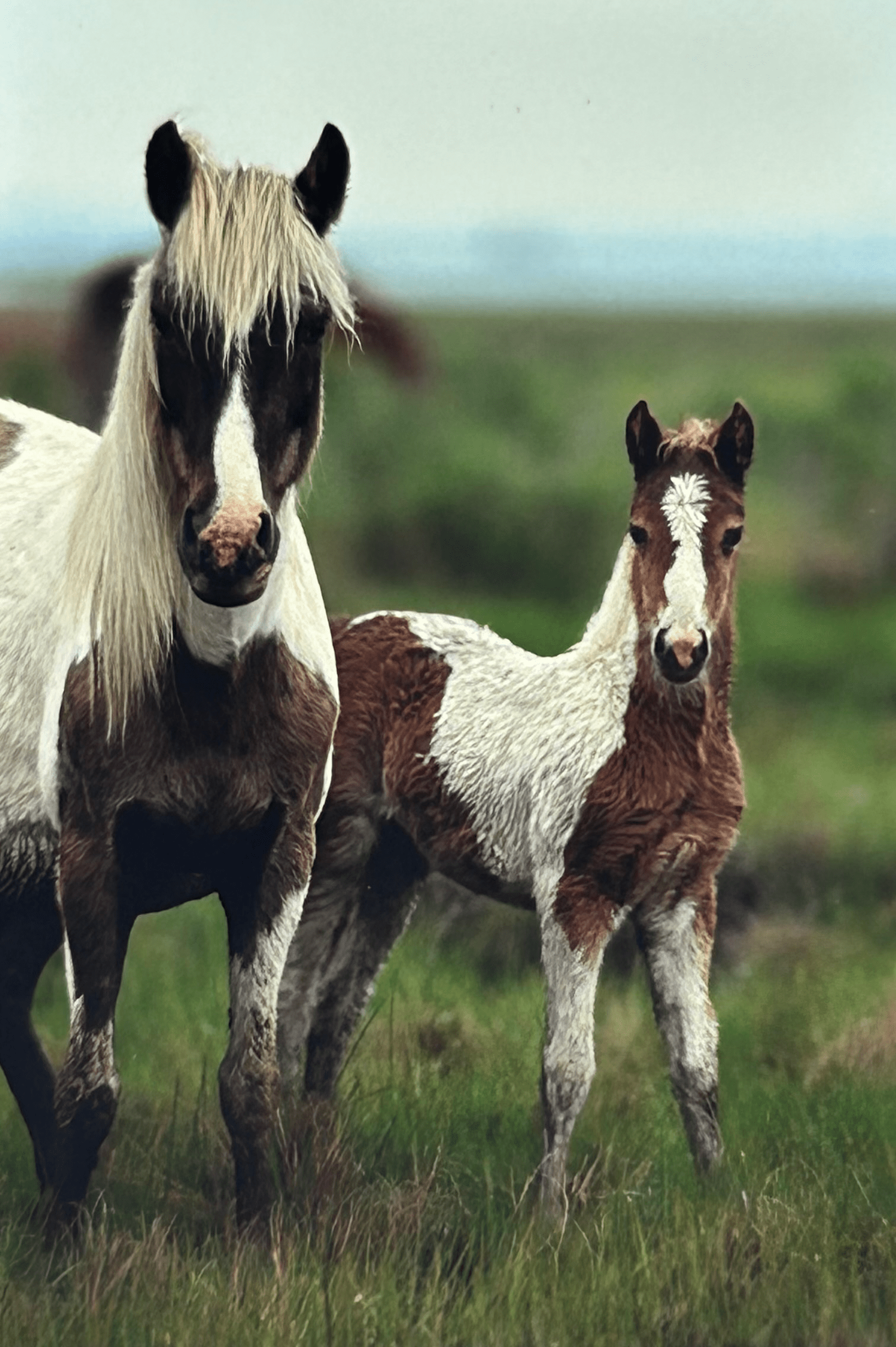
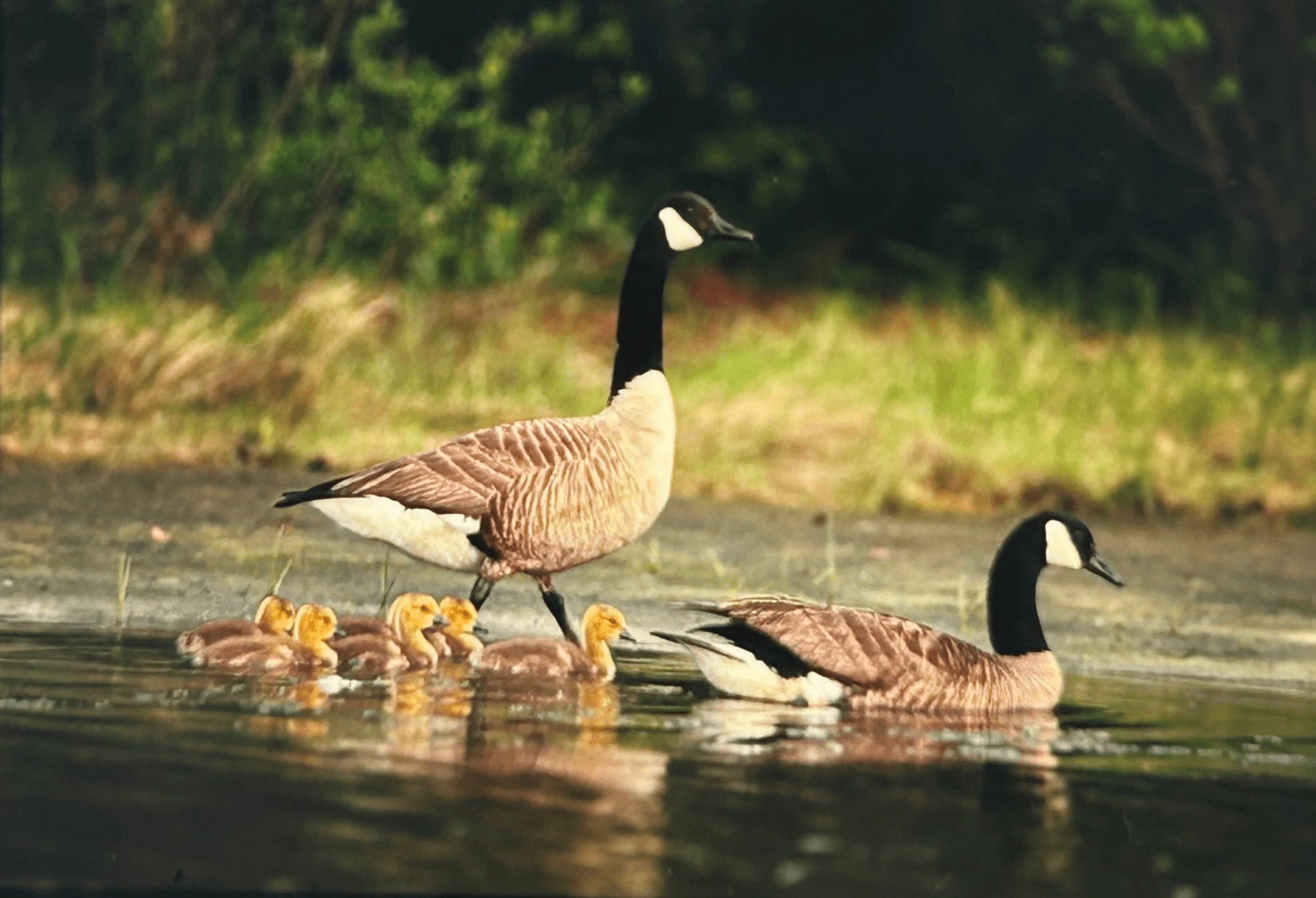
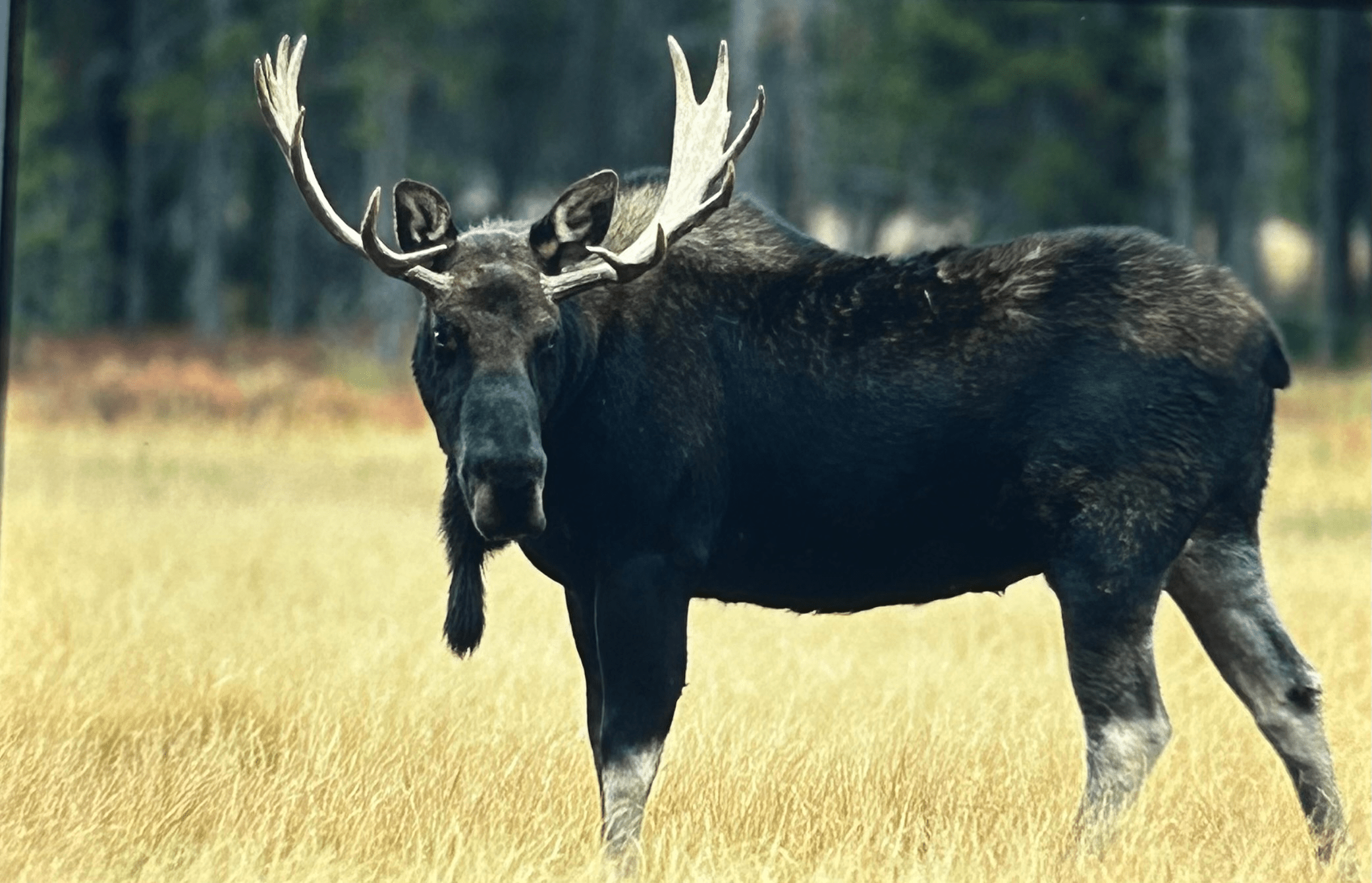
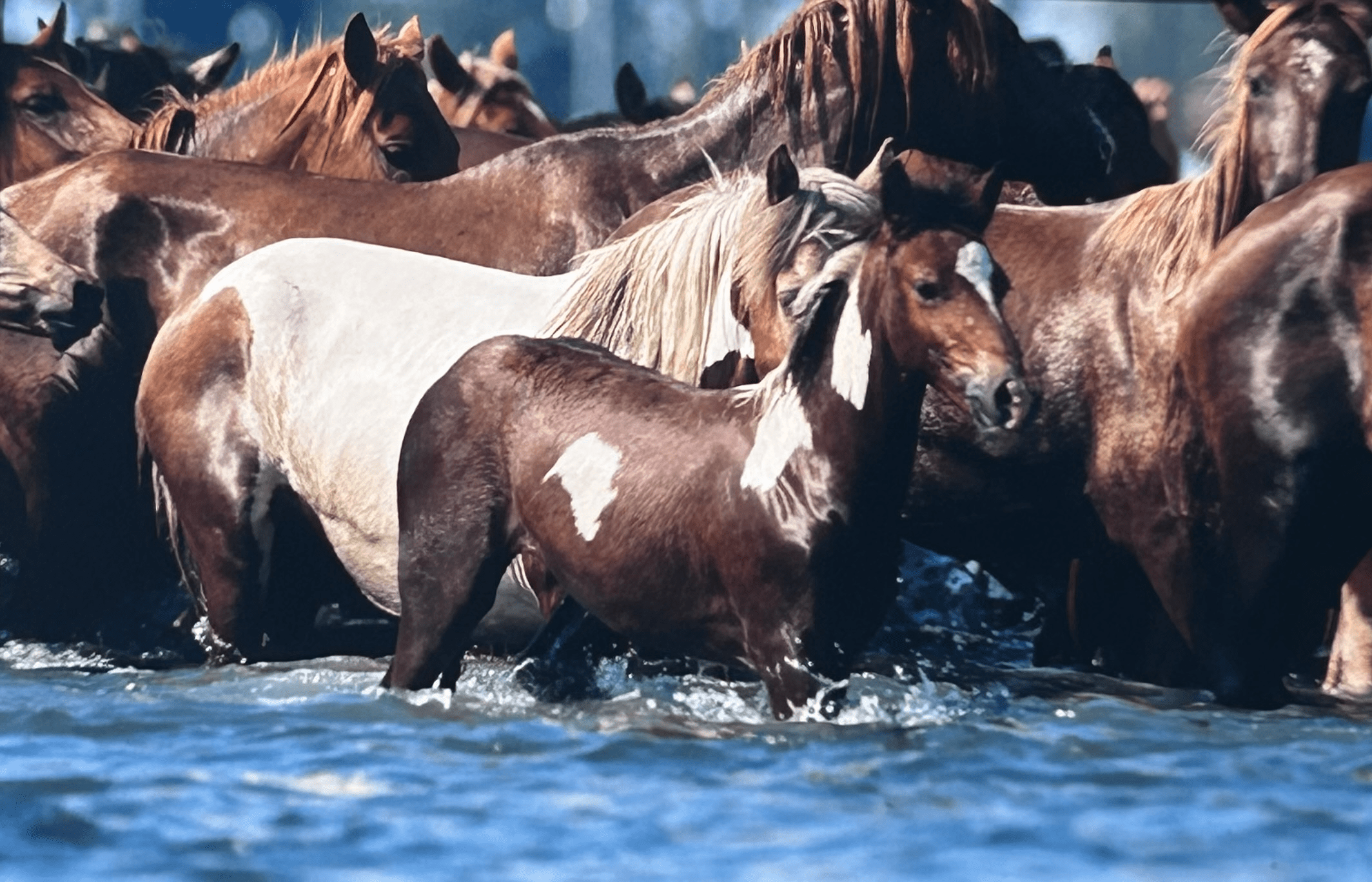
Most of my North American adventures were captured in two wild sanctuaries: Chincoteague Island, Virginia, and the raw majesty of Yellowstone National Park. Chincoteague was a world of secrets, and Martin, Chris, and I spent endless weekends chasing its wild heart through the lens of a camera. Every turn revealed a new marvel—flocks of waterfowl erupting from glassy marshes, their wings flashing in the sunlight, and the iconic Spanish ponies tearing across open fields, manes whipping like banners in the wind.


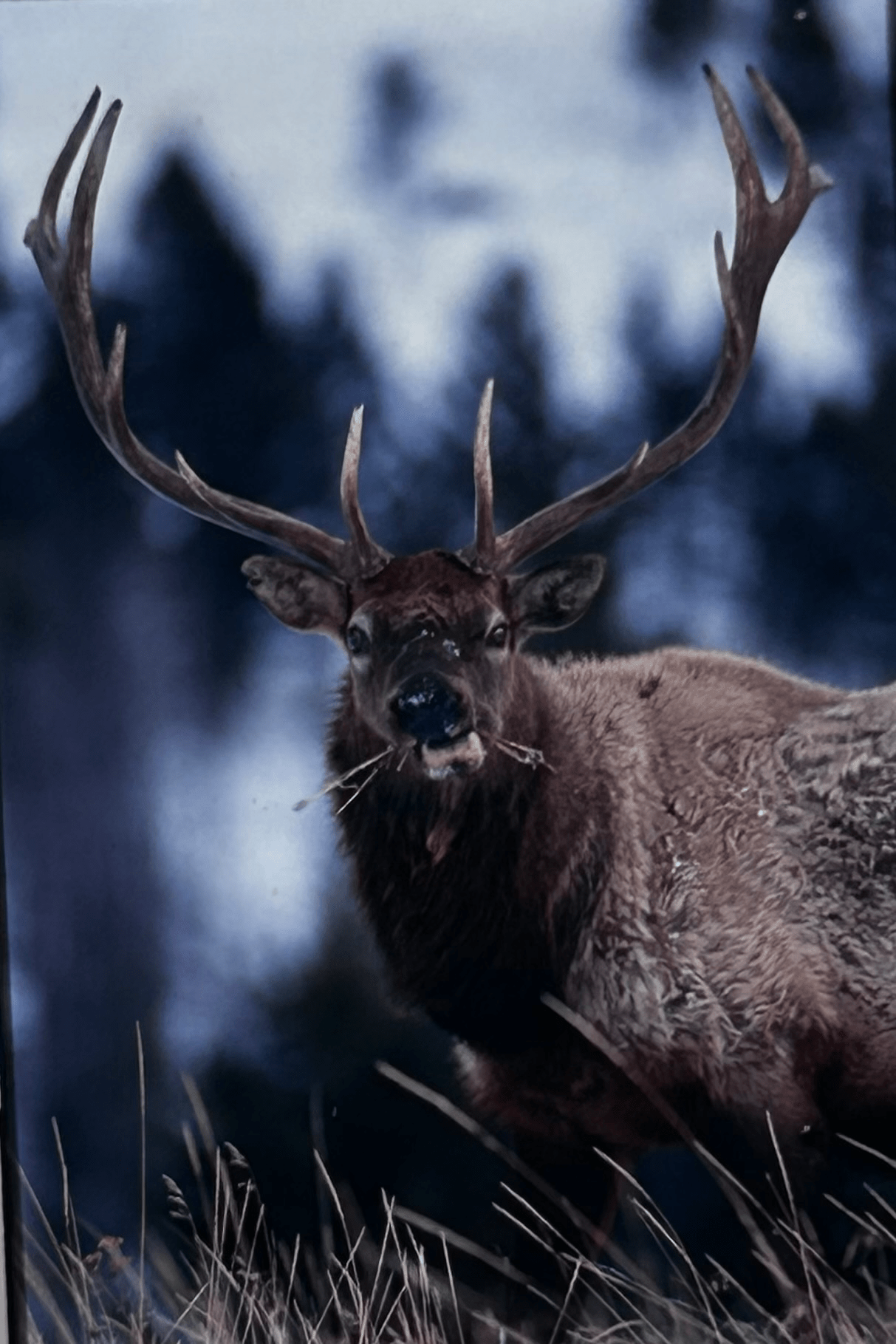
But it was the Sika deer that stole our breath. Small, elusive, and cloaked in mystery, they seemed like ghosts of another land. Legend has it the Boy Scouts of America brought them here from Asia, and now they haunt these shores with their bugling cries—sounds eerily akin to elk, rising and falling through the stillness of dawn.


Chincoteague wasn’t just a place; it was a living, breathing masterpiece. Loblolly pine forests tangled with mature dunes. Marshes whispered secrets to the sea. Beaches stretched like pale ribbons beneath an endless sky. To walk there was to stand inside an ecological symphony, where every note was wild and untamed.


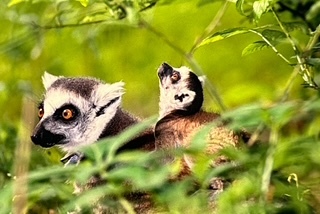
To close this North American gallery, we shift to an unexpected corner of the wild—the Duke Primate Center in the heart of Duke Forest, Durham, North Carolina. Here, far from the red soils of Madagascar, I found myself face to face with the island’s most iconic residents: ring-tailed lemurs.


It wasn’t the open savannah or the spiny desert of their homeland, but Duke’s work in preserving these rare marsupials was nothing short of extraordinary. Filming them was an absolute privilege. Their amber eyes glowed like molten gold as they leapt through the dappled forest light, their striped tails curling like living ribbons against the green. Every frame captured not just an animal, but a fragment of a vanishing world—a glimpse into Madagascar’s soul, alive and thriving in a sanctuary half a world away.

SOUTH AMERICA

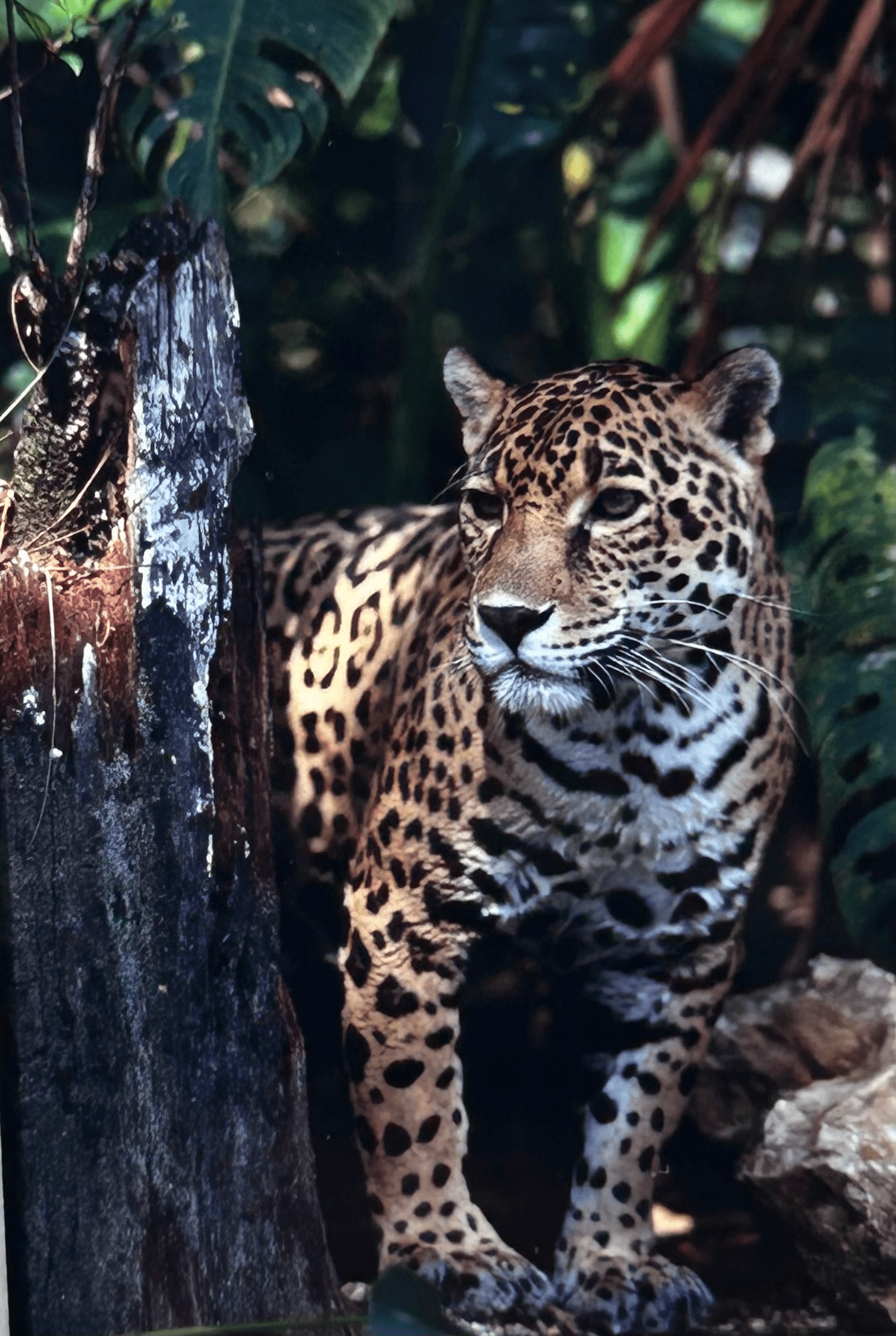
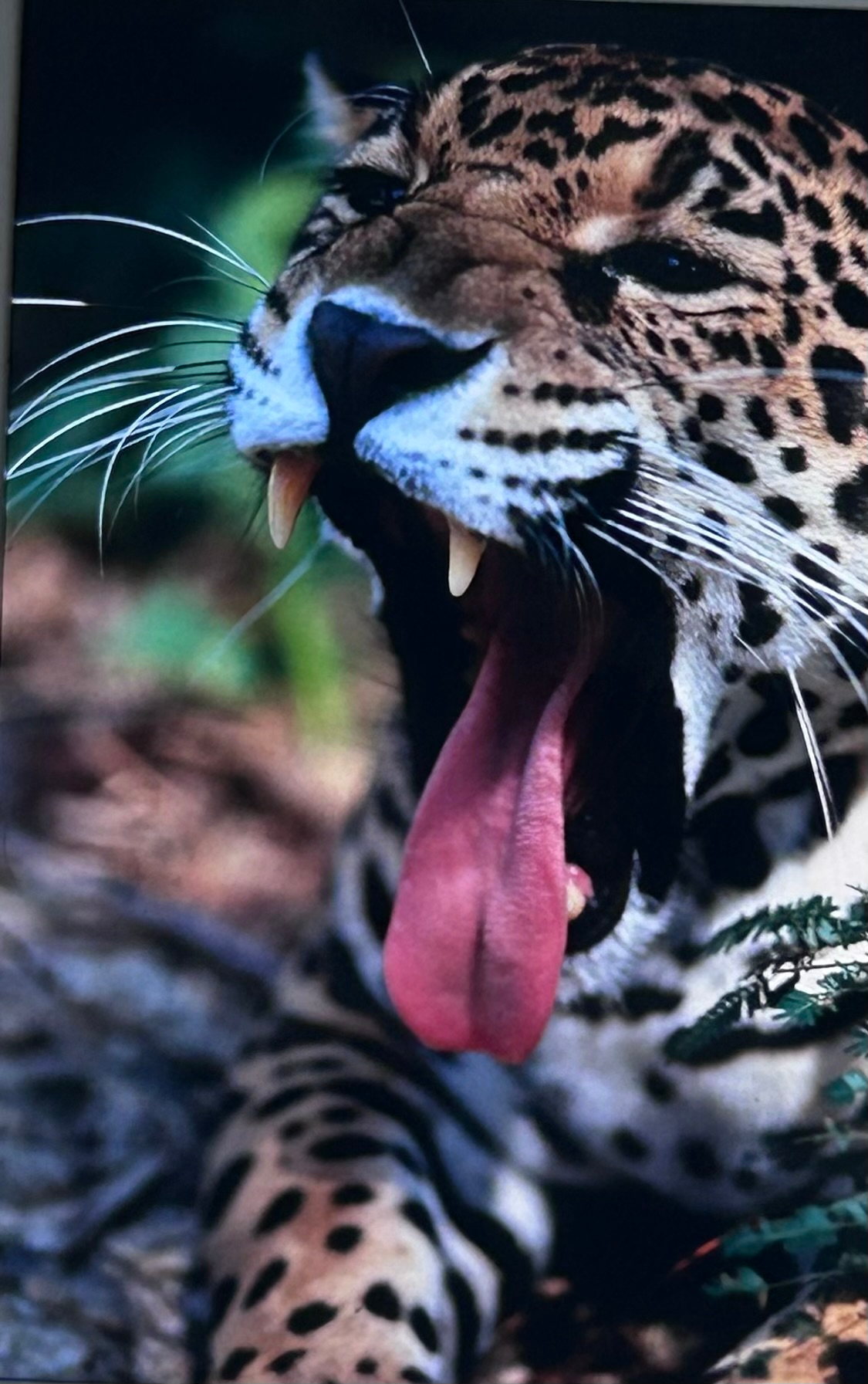
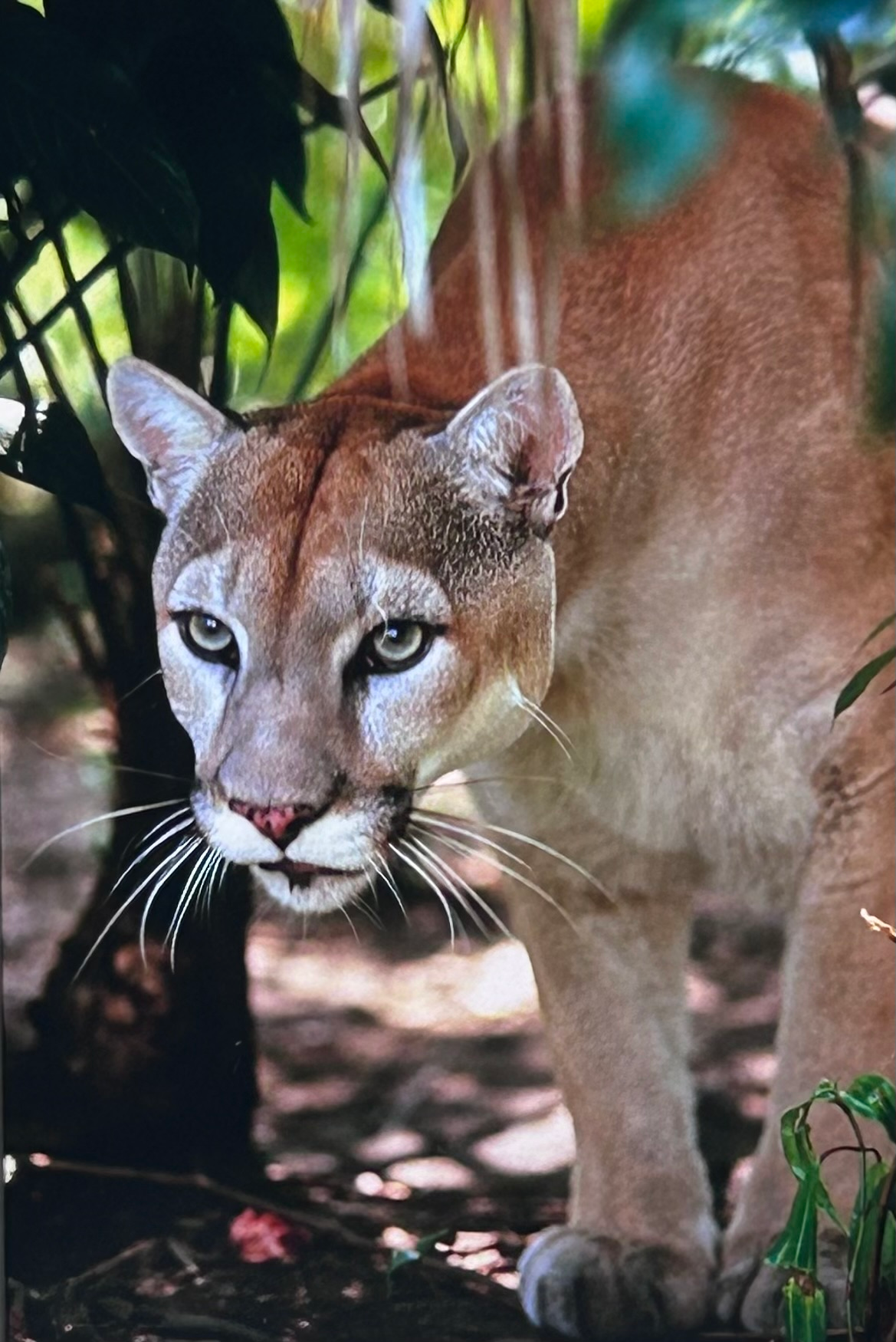
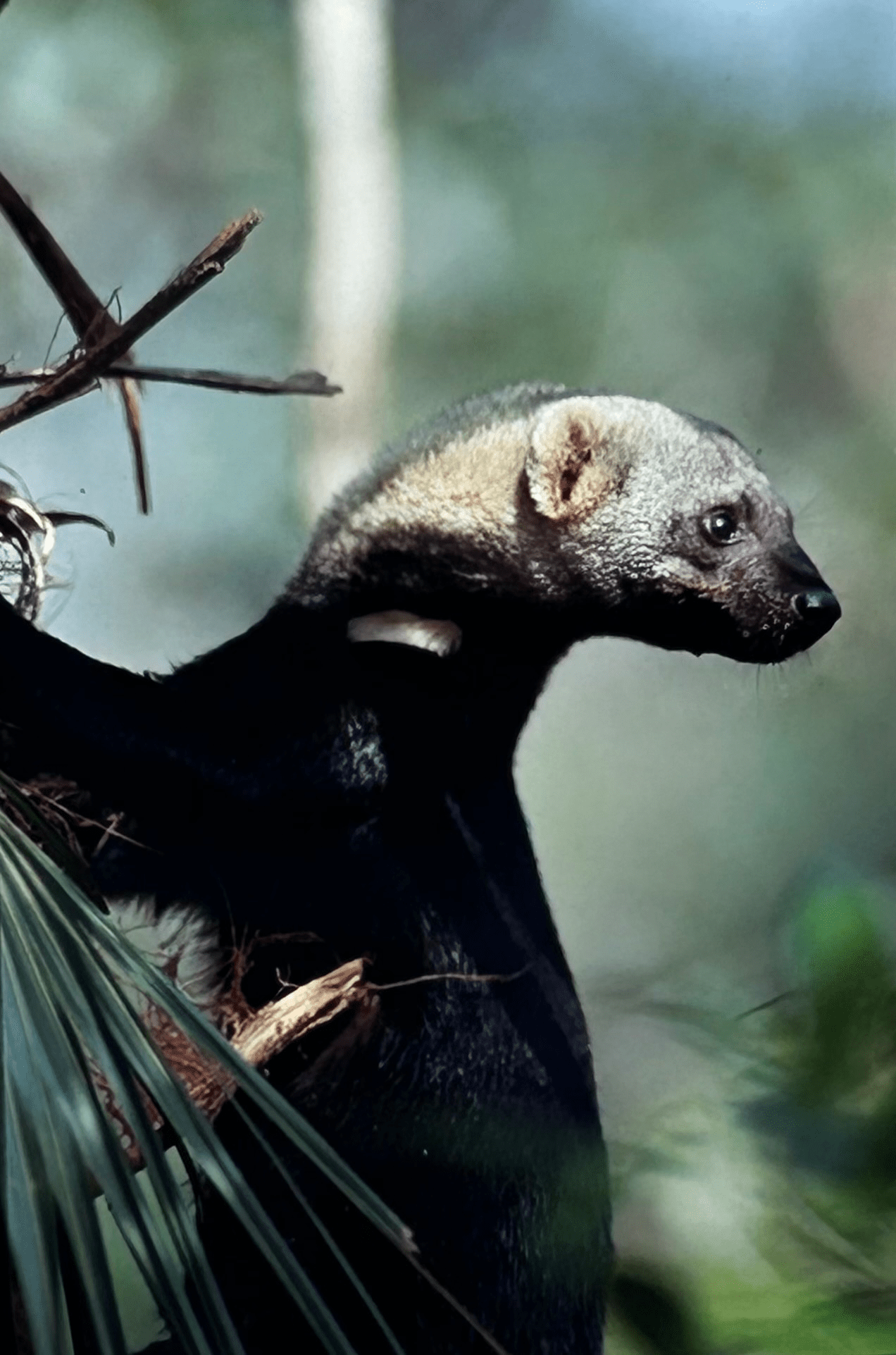
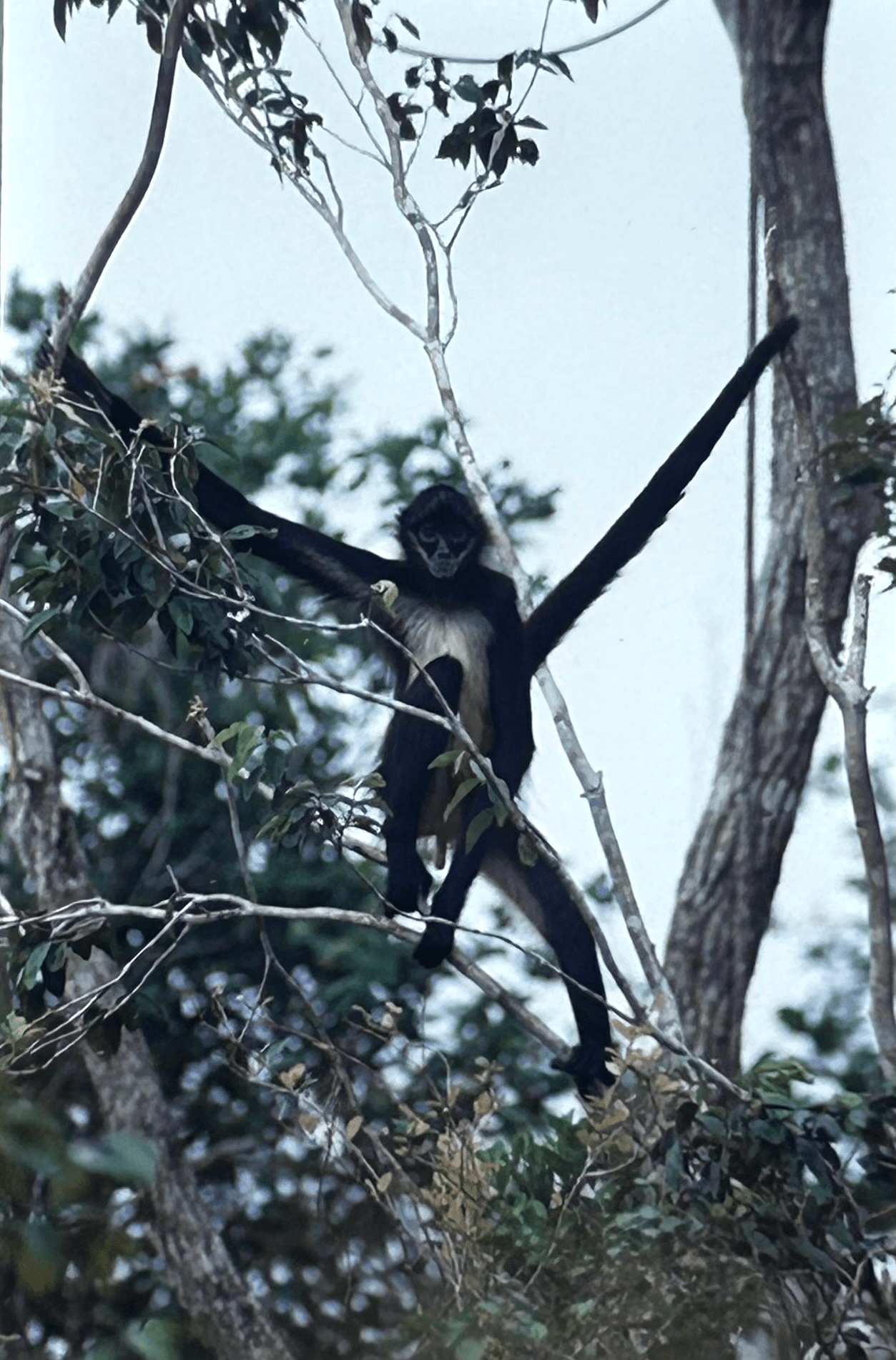
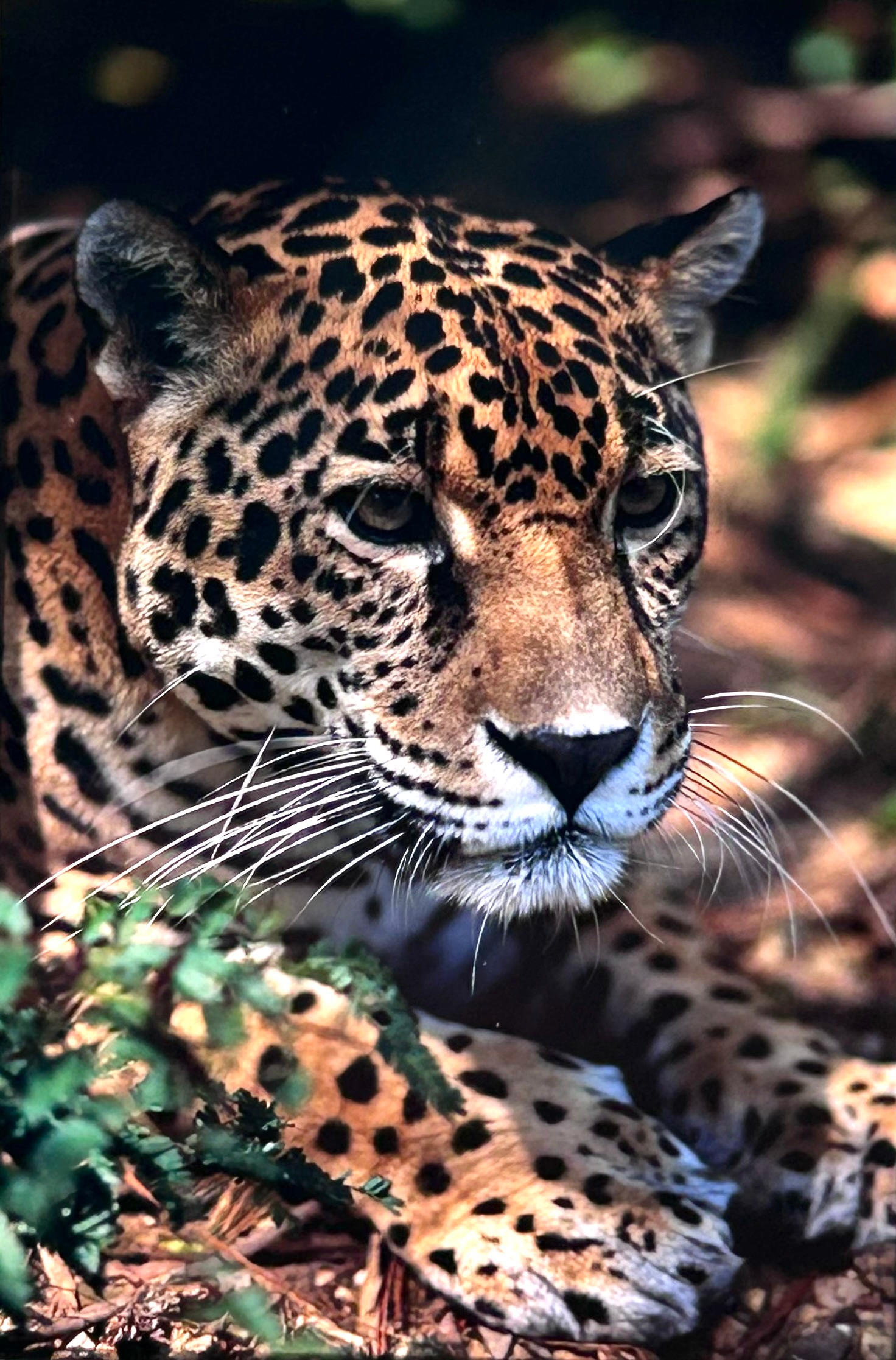
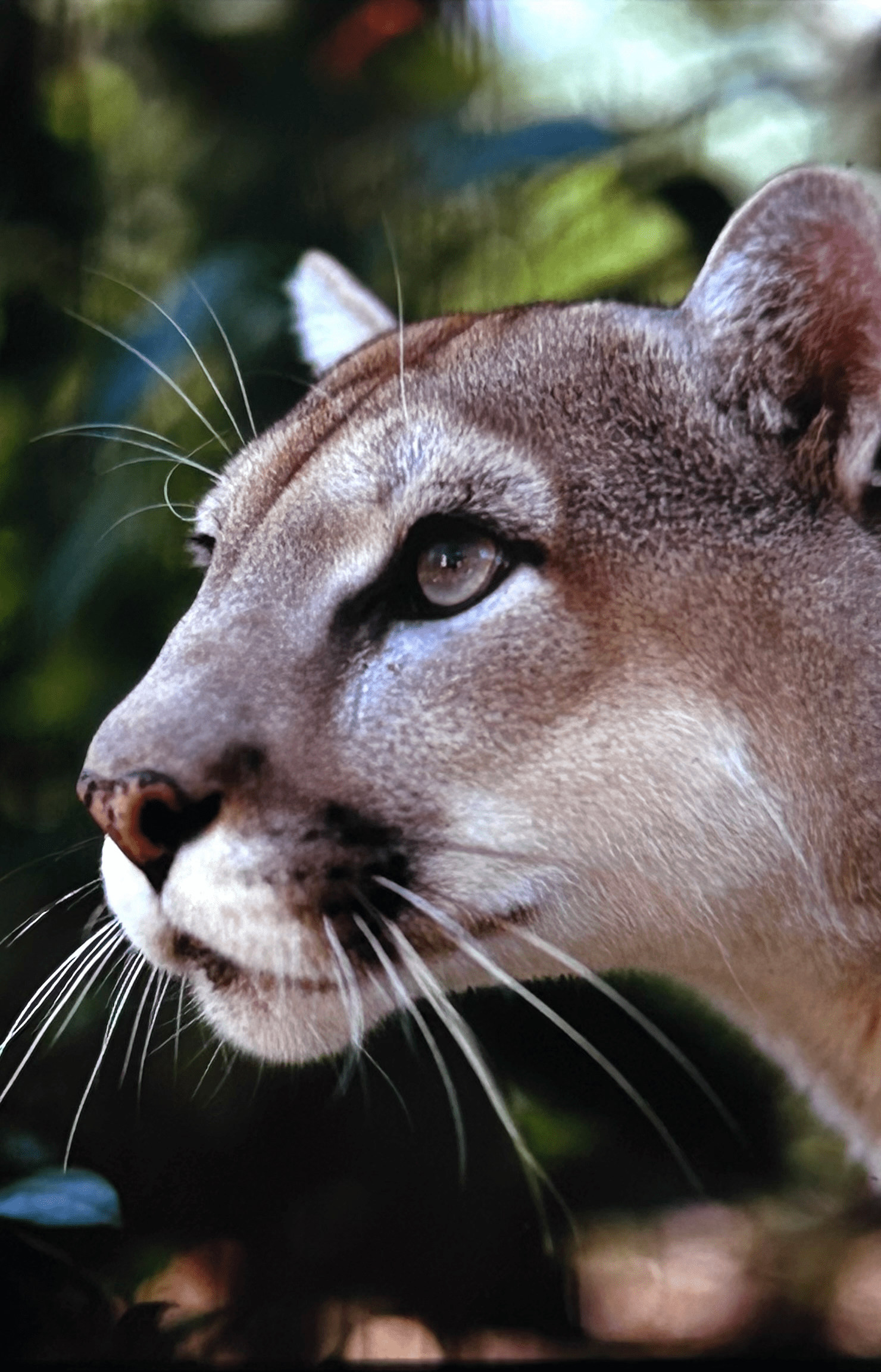
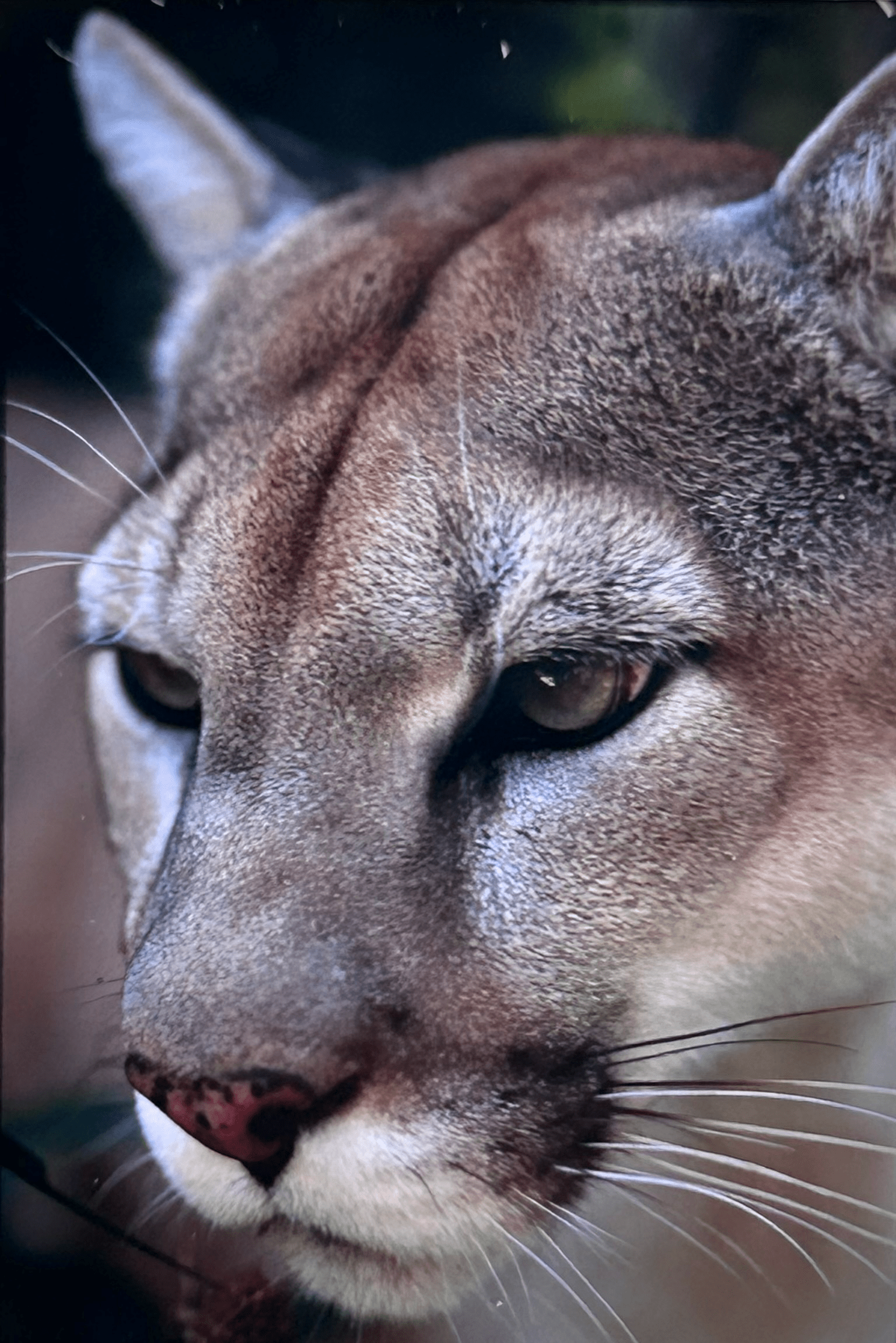
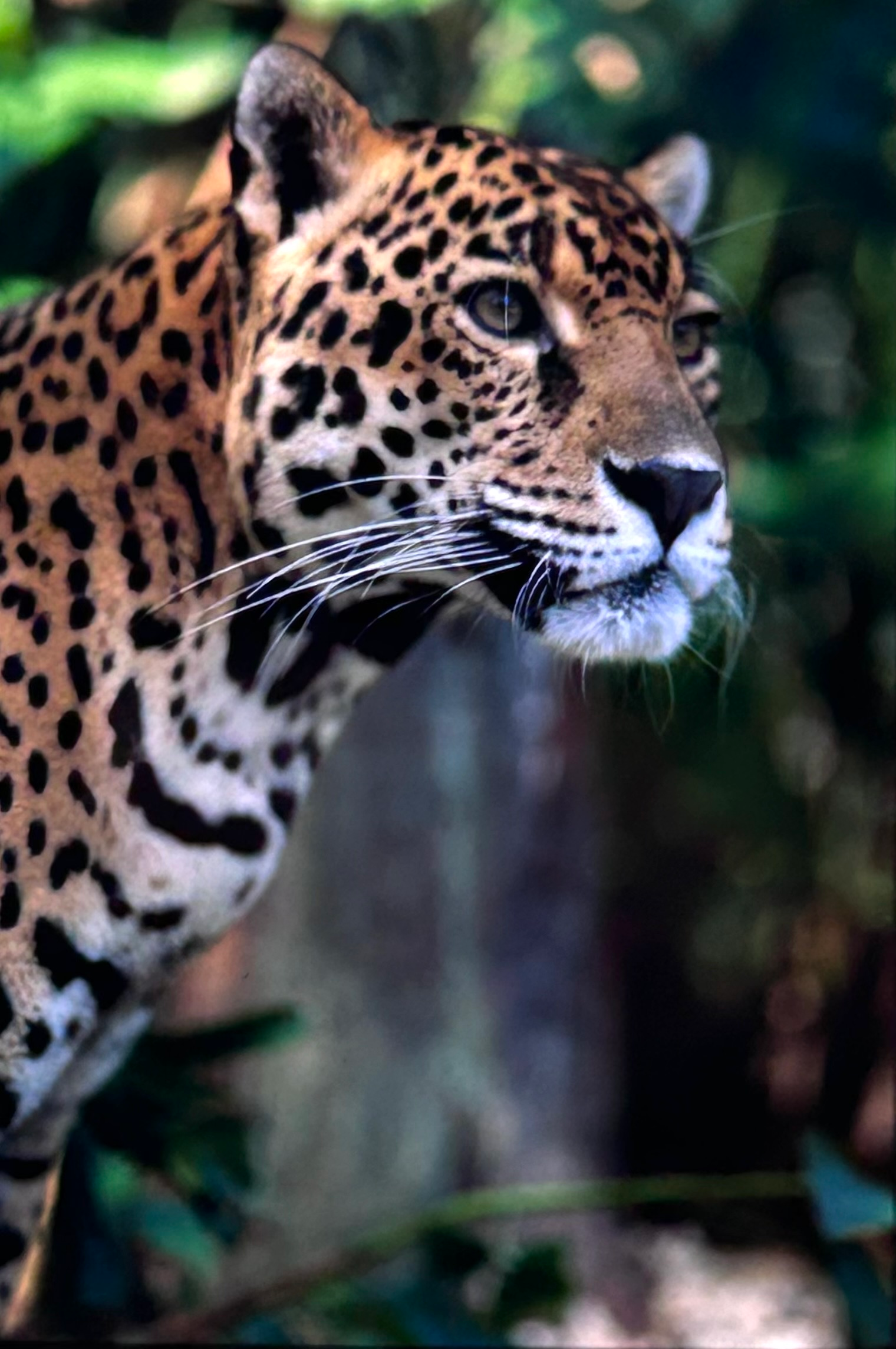
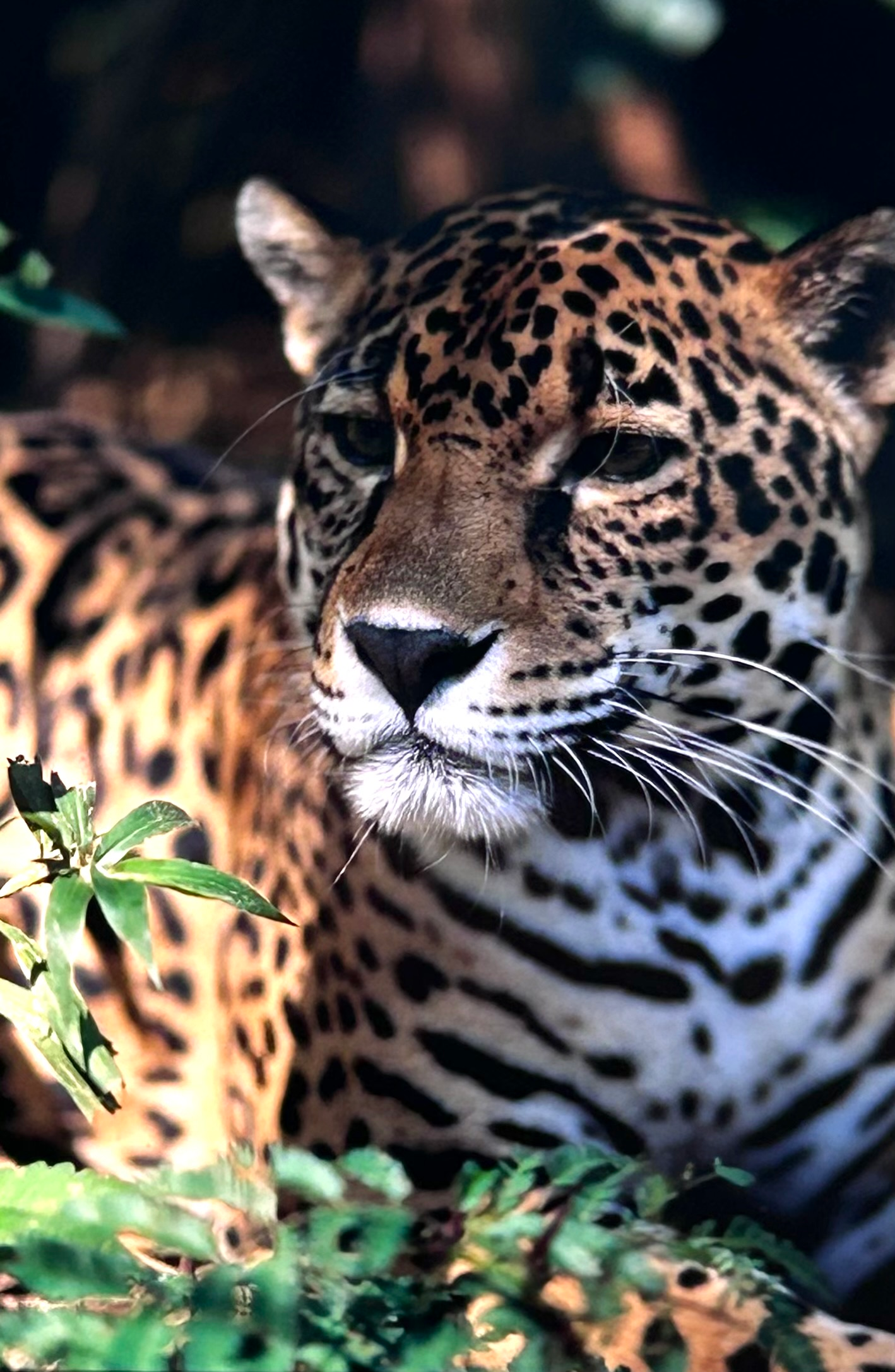
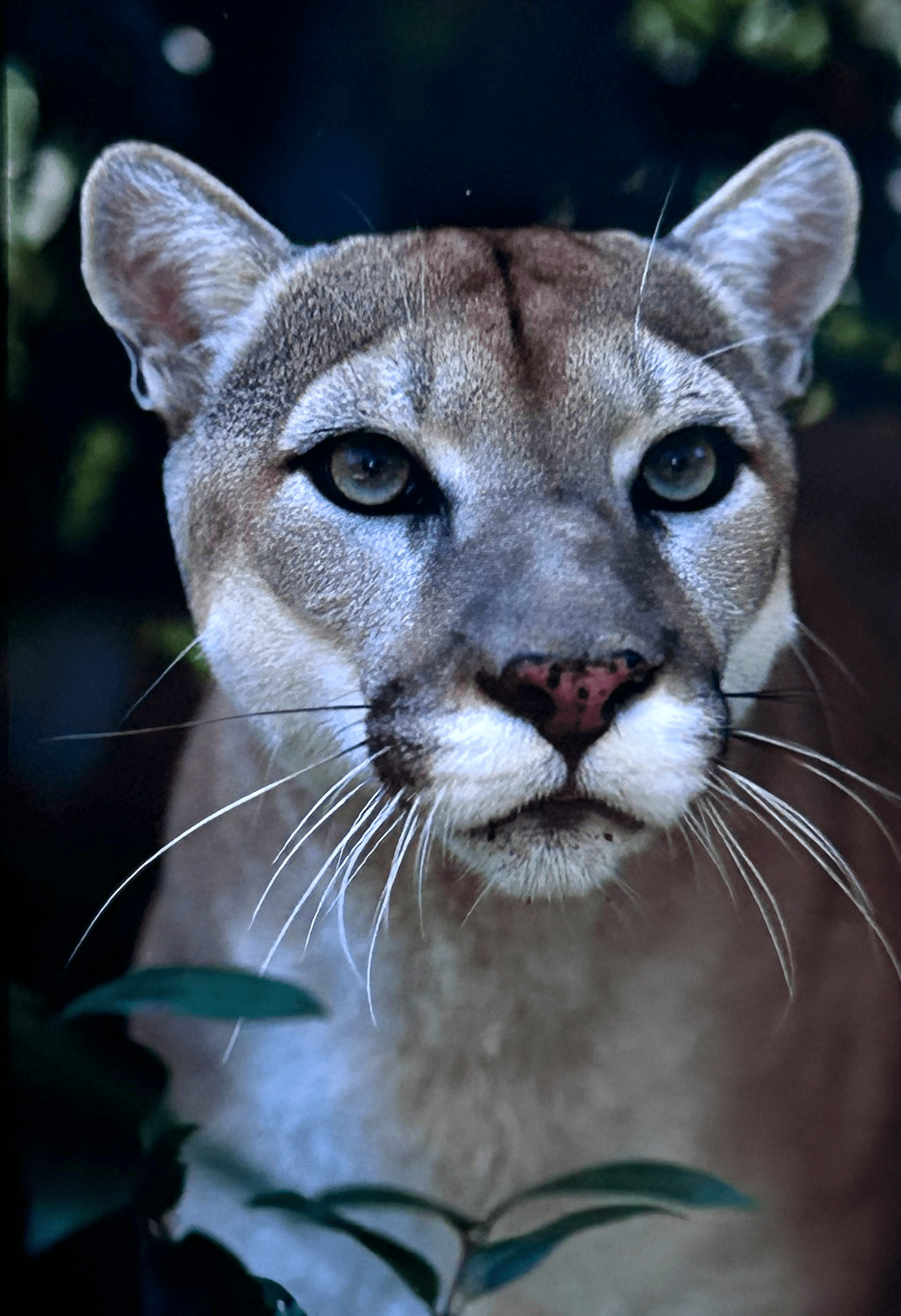
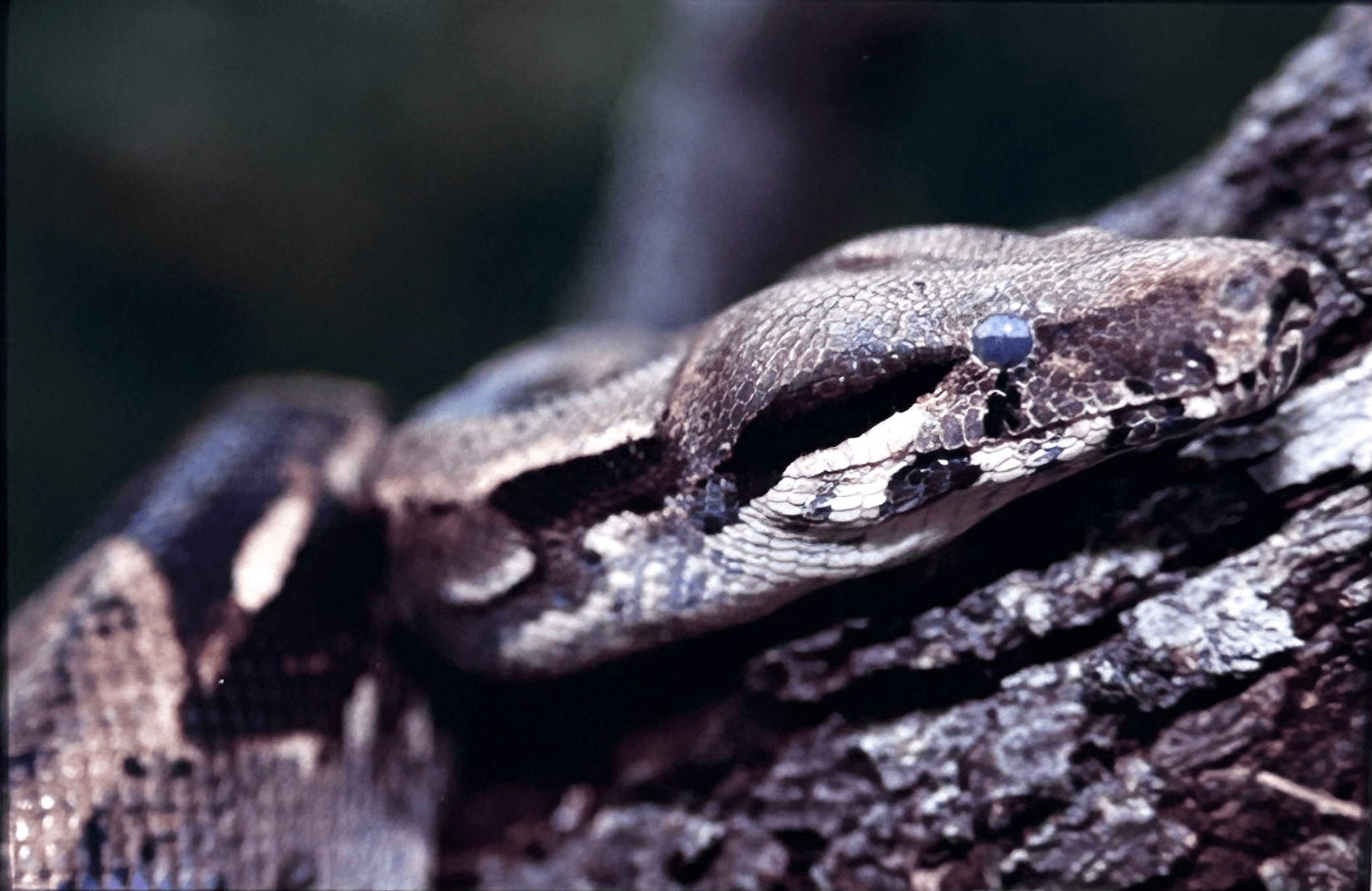
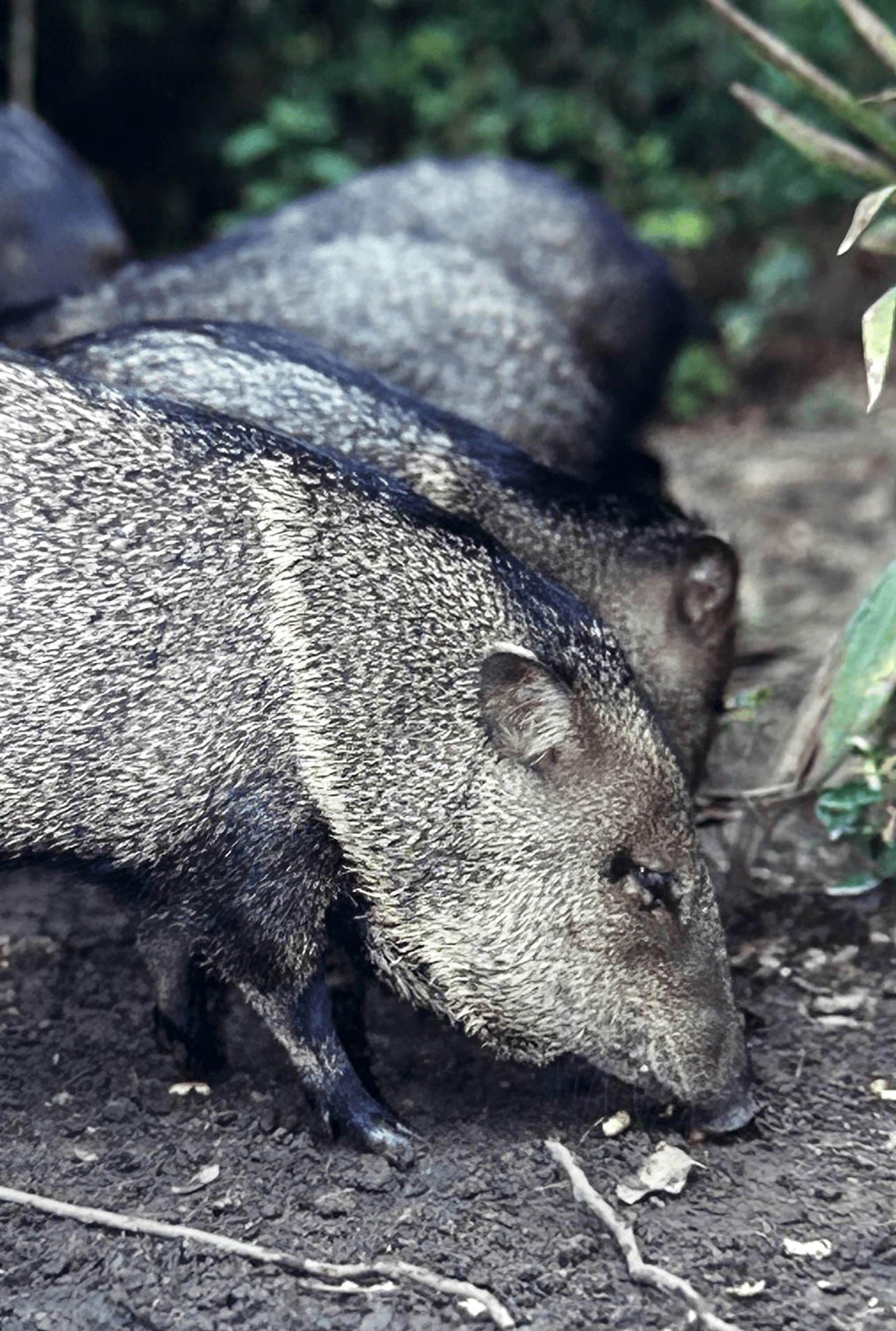
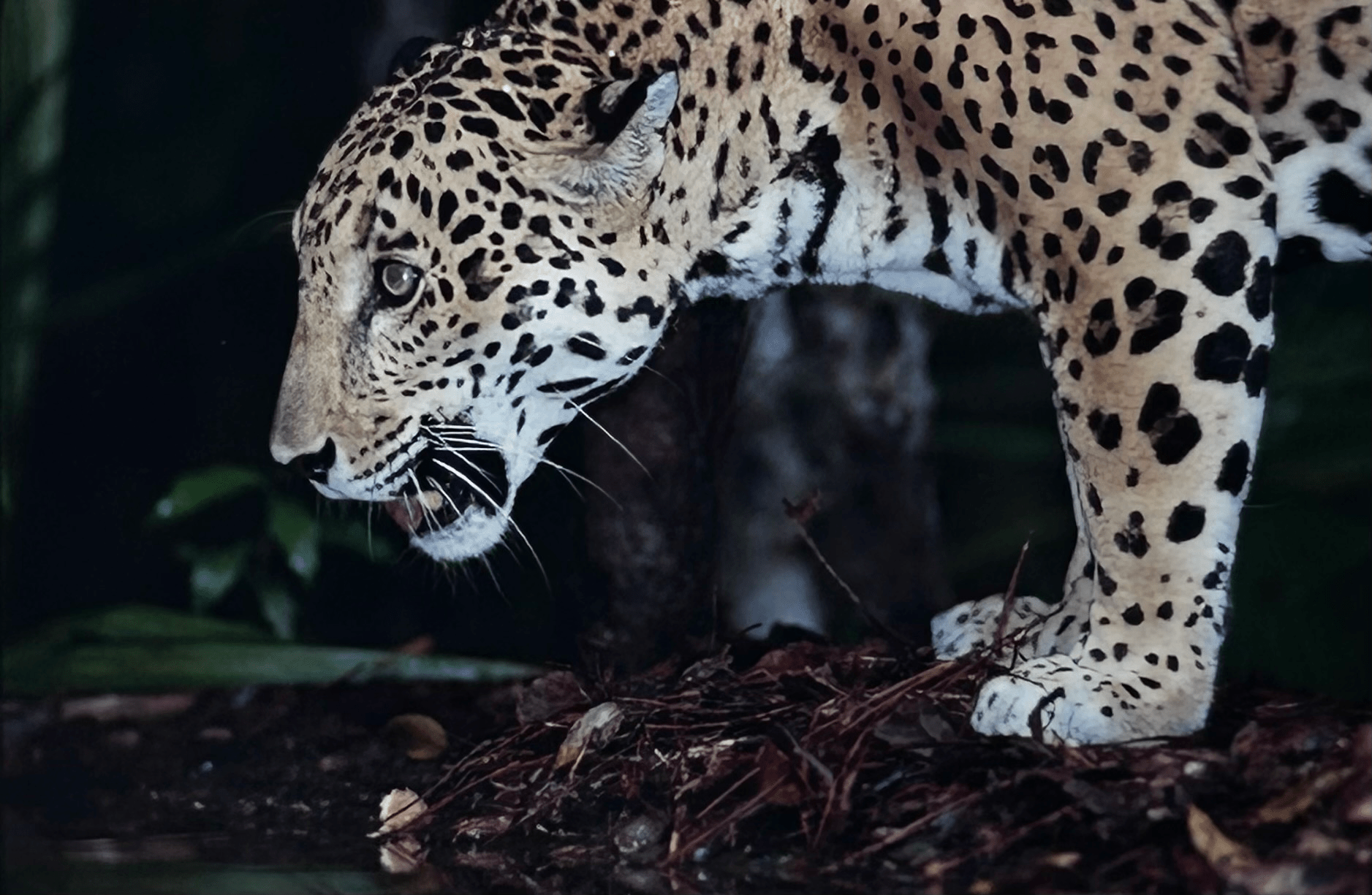
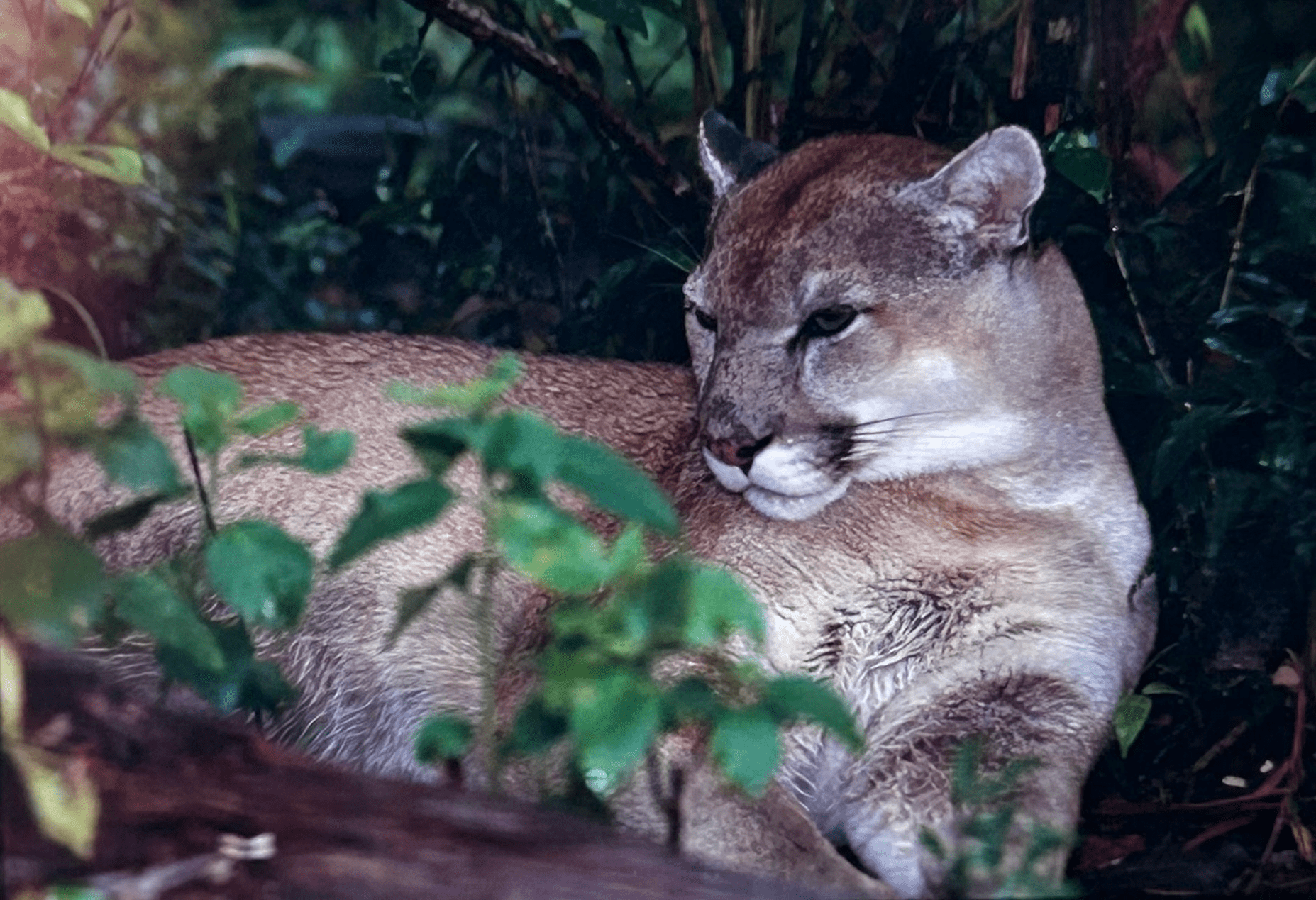
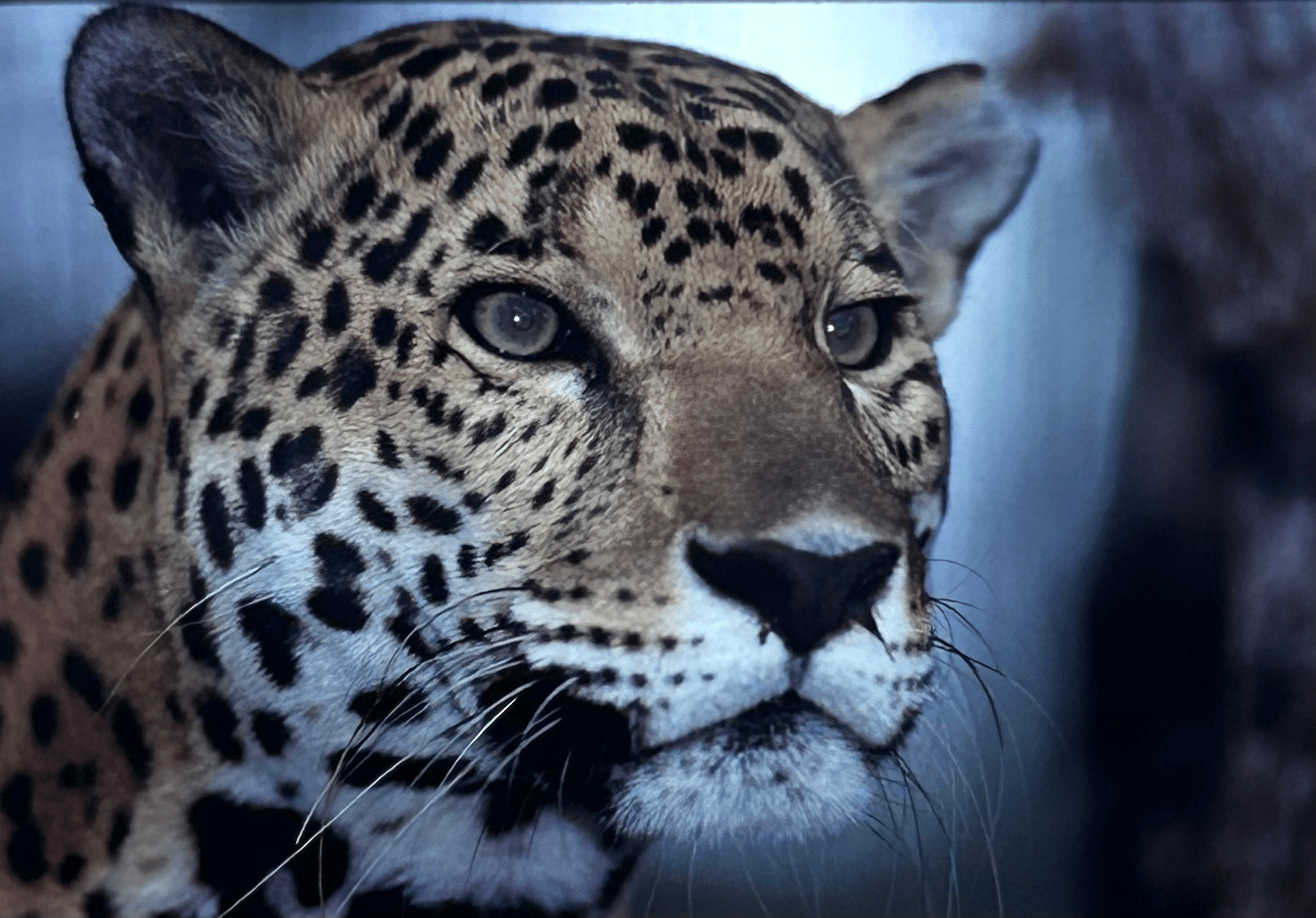
Belize was our South American crucible, a raw and untamed counterpoint to the Amazonian gallery. In Peru, the big cats remained phantoms, their presence hinted at but never revealed. But in Belize? The jungle pulsed with them. Jaguars, ocelots—predators etched in muscle and silence—stalked the shadows as if the forest itself had teeth.
 

There were moments when the air thickened, when every rustle in the undergrowth sent a shiver through bone. Their eyes—unseen yet felt—tracked us with ancient indifference. And that was the beauty of it: they didn’t fear us, didn’t acknowledge us. To them, we were nothing but whispers in their eternal domain. That is the wild at its purest—unbending, unbroken, and gloriously beyond our control.

Amazon       Africa         Australia       North America       South America      Back to Portfolio